
Earth as the Greatest Collaborator
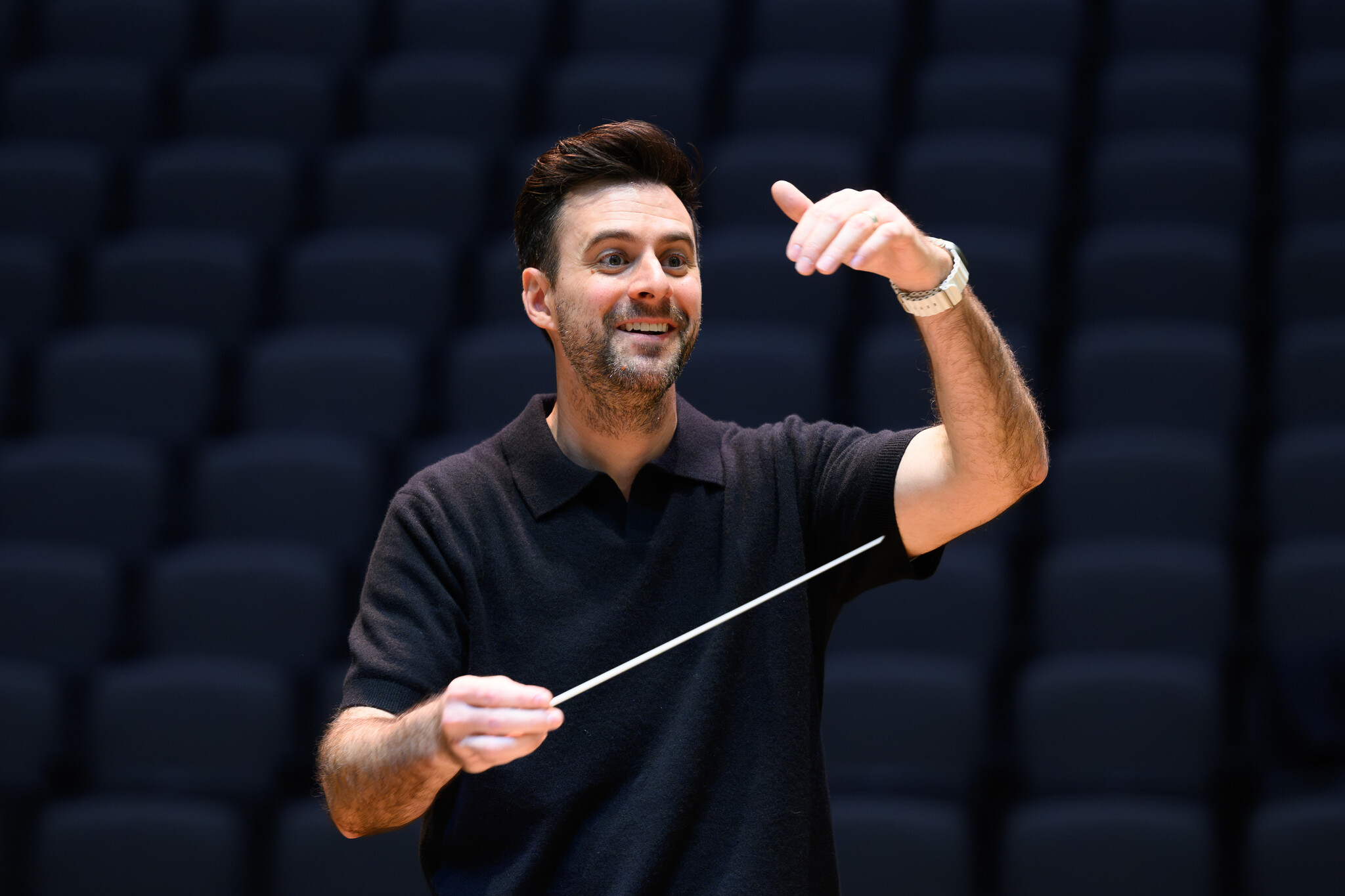
By J. Aaron Hardwick, D.M.A, WFU Symphony Orchestra Director and Assistant Teaching Professor of Music
Stewards, Not Spectators
My father was a reverent outdoorsman. Growing up he led me off the beaten path, pointing out subtle differences in bark, identifying animals by sound, tracing how history and ecology informed the landscape. He taught me that exploration was not just escape; it was education. Attention, presence, and conservation were acts of respect.
That early formation continues to shape how I hear music, how I conduct and teach, and how I think about art.
Stewardship is not partisan. It is practical and personal. It can mean celebrating Earth Day, supporting conservation efforts, collaborating with researchers, designing sustainable productions, or advocating for thoughtful environmental practices within our institutions and government.
But, it begins more simply: by going outside.
In an era dominated by screens and schedules, stepping into a forest, observing a beautiful sunset, or listening to wind through trees can recalibrate our sense of scale. Enjoying nature is not indulgence; it is humility and remembrance. It reconnects us to the source material that has shaped human creativity for millennia.
Nature has been art’s muse since the first pigment met stone and the first melody echoed in open air.
Nature: Art’s Muse
From the earliest cave paintings to the great symphonic works of the 19th century, nature has shaped human creativity. Long before concert halls or museums existed, we turned to our surroundings for storytelling, communication, structure, and meaning.
Landscape painting became central to artistic traditions across cultures. Katsushika Hokusai captured the power and motion of water. John Constable studied clouds with scientific precision. Claude Monet returned again and again to shifting light across haystacks and water lilies.
Georgia O’Keeffe found abstraction in the deserts of the American Southwest. These artists were not merely depicting scenery; they were responding to nature and place. Music followed a similar path. Ludwig van Beethoven’s Symphony No. 6, “Pastorale” reflects his immersion in rural life. He described it as “more an expression of feeling than painting,” suggesting that the countryside shaped not just the sounds, but the emotional architecture of the work.
Gustav Mahler composed many of his symphonies in alpine retreats. In Das Lied von der Erde (The Song of the Earth), nature becomes both refuge and mirror; a setting where human vulnerability and trauma meet seasonal continuity, beauty, and healing.
More recently, Pulitzer Prize–winning composer John Luther Adams explored elemental scale in Become Ocean. The work unfolds in vast, tidal layers, immersing listeners in sonic motion that mirrors the sea’s depth and breadth.
Artists, architects, and designers have long drawn from natural proportion, branching systems and environmental rhythms. Nature has provided not only imagery, but form. The horizon teaches scale. The forest teaches interdependence. The ocean teaches immersion. Since the dawn of time, human creativity has answered the world around it.
Inter Alia: Earth & Collaboration
That dialogue between art and environment continues today.
In Inter Alia: North Carolina Forests, our aim was not simply to present music about nature, but to create work informed by it. The forest was not a backdrop; it shaped the artistic process itself. Poetry, musical composition, dance, conversations, education, exploration, and live performance were intentional, connected iterations of the reflections we see around us.
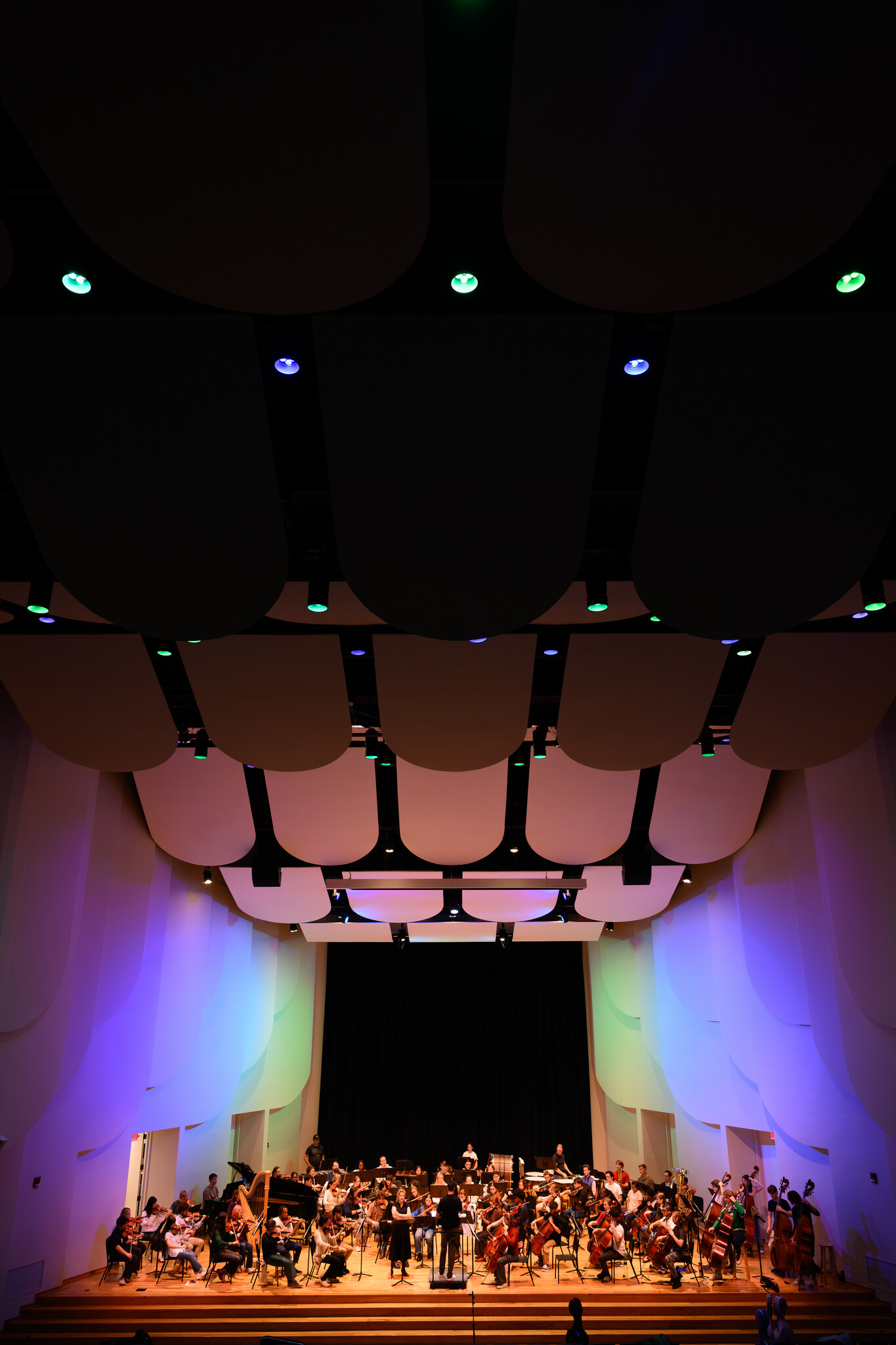
Musicians, designers and scholars collaborated across disciplines to explore the ecological complexity of North Carolina’s forests. Research informed artistic choices. Syntax reflected layered ecosystems. Musical pacing and texture responded to ideas of fragility, resilience and interconnected growth.
The goal was not abstraction for its own sake, but awareness through encounter. Art has the capacity to cultivate attention; and attention is often the first step toward care. By integrating research, design and performance, Inter Alia sought to embody collaboration: between disciplines, between communities and between us and the land.
Just as Beethoven listened to babbling brooks and Adams immersed audiences in the ocean’s expanse, this project invited audiences to consider forests not as distant scenery, but as living systems in which we participate.
Answering the Earth
If we are makers of music and painters of worlds, perhaps it is because we were made to recognize beauty and to respond to it. If nature has informed our greatest works; if forests, oceans and skies have shaped the stories of humanity for centuries, then artists and musicians carry a particular responsibility. We study and preserve art with care. We maintain performance spaces for the next generation. We protect the education and conditions that allow art to flourish for everyone, not just the few. The same mindset must extend to the environments that have long inspired that art.
Our responsibility is to ensure that future generations inherit not only our cultural masterpieces, but the living landscapes that made them possible.
The Earth is not simply inspiration. It is a collaborator.
#SpringIntheForest #ItTakesaForest #TakeActionforEarth