
Activating Sustainability Across the Disciplines: The 2026 Magnolias Curriculum Project
In the days following commencement, 10 faculty members representing 10 different academic departments and programs at Wake Forest participated in the annual Magnolias Curriculum Project workshop.
Since 2012, this two-day workshop has invited faculty from all disciplines and at all stages in their career to explore how to meaningfully integrate sustainability, broadly defined, into their teaching. Following the workshop, participants independently develop course materials and receive a stipend upon completion of a new or revised syllabus.
The Magnolias Project learning cohort model creates opportunities for faculty to learn with and from one another as experts in their own fields, sharing disciplinary perspectives that inspire new approaches to the subject.
“The cohort model offered excellent and frequent opportunities for discussion and challenging my thinking by engaging new perspectives from other departments,” said James Proszek, Assistant Teaching Professor and Director of Public Speaking in the Department of Communication.
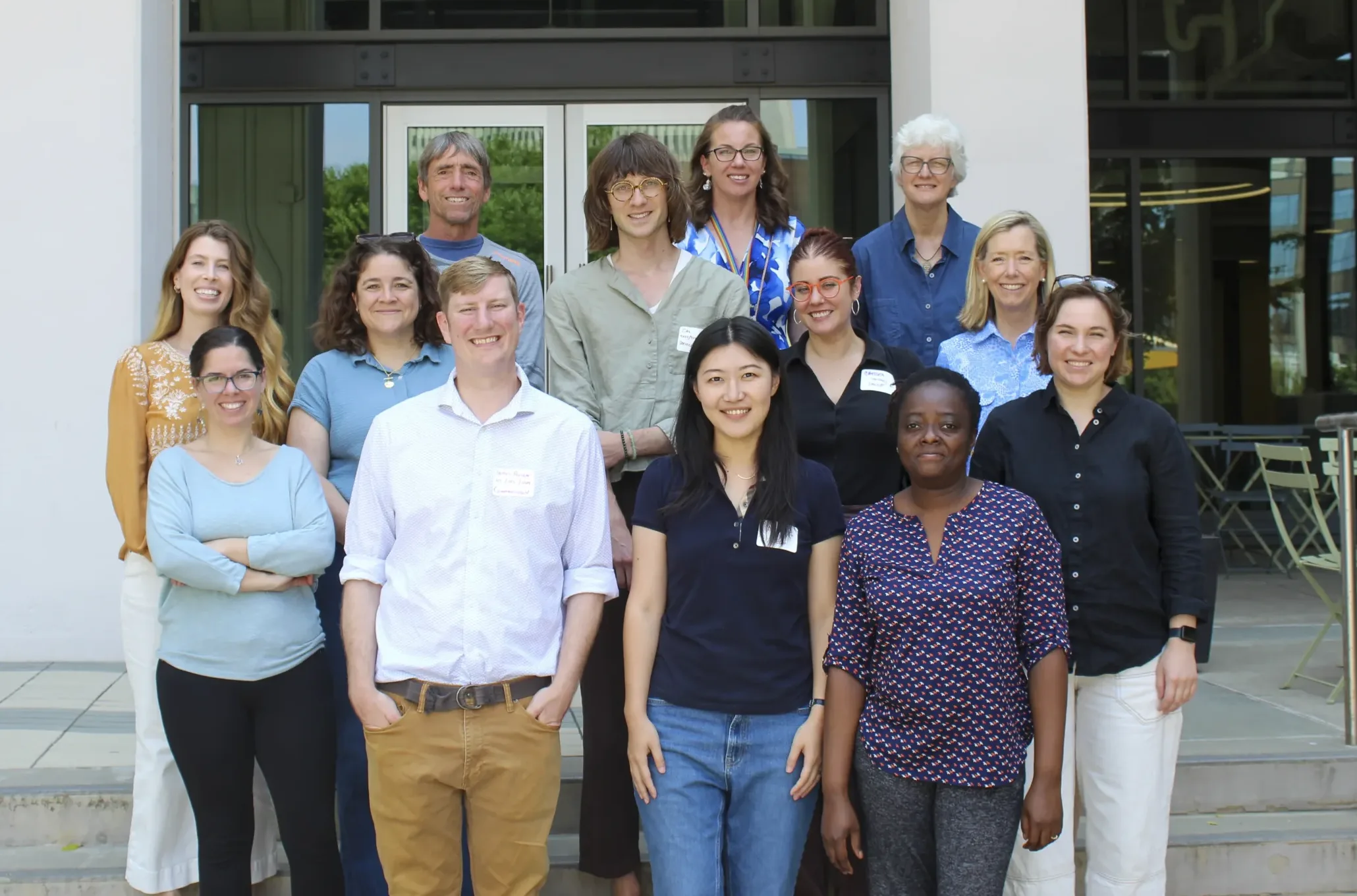
For the third year in a row, the workshop was jointly facilitated by Jill Crainshaw, University Ombuds & Professor of Worship & Liturgical Theology in the School of Divinity, and Erin Henslee, Associate Professor in the Department of Engineering, who participated in the workshop in 2015 and 2019, respectively.
Over the course of the two days, participants took part in interactive sessions, including presentations and panels, place-based activities, guided discussions, and collaborative working time.
The Reynolda House Museum of American Art served as the cohort’s home base on day one. After a morning of discussion about climate and global systems, how sustainability appears in various fields, and place-based learning at Wake Forest, participants set out in small groups to explore nearby sustainability learning spaces — the Reynolda Trails, Piedmont Prairie Meadow, and Lake Katharine — for a curricular improv activity.


The afternoon concluded with a panel featuring fellow Wake Forest faculty and program alumni Chris Zaluski, Sebastiàn Terneus, and Tricia Clayton, who shared practical examples of course integration from their own Magnolias experiences.
“I’ll say on the note of time, you don’t have to do it all at once,” said Clayton, reflecting on the implementation of concepts learned during their time as a Magnolias participant. “I took this workshop two years ago, so it’s been four semesters, and every semester since I’ve incorporated new ideas.”
Day two of the workshop took place at another oft-visited sustainability learning space, Wake Downtown, where participants explored the rail trails and took on the role of learners in a place-based exercise.
Guest speakers Betsy Barre, Assistant Provost and Executive Director of the Center for the Advancement of Teaching, and Deb Marke, Associate Director for Democratic Engagement and Justice Programs, also shared resources on the topic of Politics and Pedagogy: Dialogue in the Classroom.


“I really enjoyed the time for discussion and collaboration with peers,” said Cal Garrett, Assistant Professor in the Department of Sociology. “The modeling of place-based learning was also really helpful and guest panels were also great, concrete ways for thinking about course design.”
At the end of the day, several alumni from the program joined the 2026 cohort in a reception to continue the discussion. This year’s participants now join the community of over 140 faculty who have completed the workshop — many of whom continue to work together as members of a broader learning cohort at Wake Forest.
Congratulations to our 2026 Magnolias Curriculum Project cohort and program alumni:
- Cal Garrett, Department of Sociology
- Lydia Smith, Department of Art
- James Proszek, Department of Communication
- Chelsea Hilding, Department of Theatre and Dance
- Alex Yu, Department of Economics
- Oyinlola Obanla, Department of Engineering
- Lucy Alford, Department of English
- Carmen Perez-Munoz, Department of Spanish
- Sara Dahill-Brown, Department of Politics and International Affairs
- Gary Miller, Department of Health and Exercise Science

Scroll through the full album of photos from the 2026 Magnolias Curriculum Project.

Learn about Campus Engaged Learning at Wake Forest
Related Posts
- Activating Sustainability Across the Disciplines: The 2026 Magnolias Curriculum ProjectIn the days following commencement, 10 faculty members representing 10 different academic departments and programs at Wake Forest participated in […]
- Campus-Engaged Learning at Wake Forest: Integrating Sustainability across the Curriculum
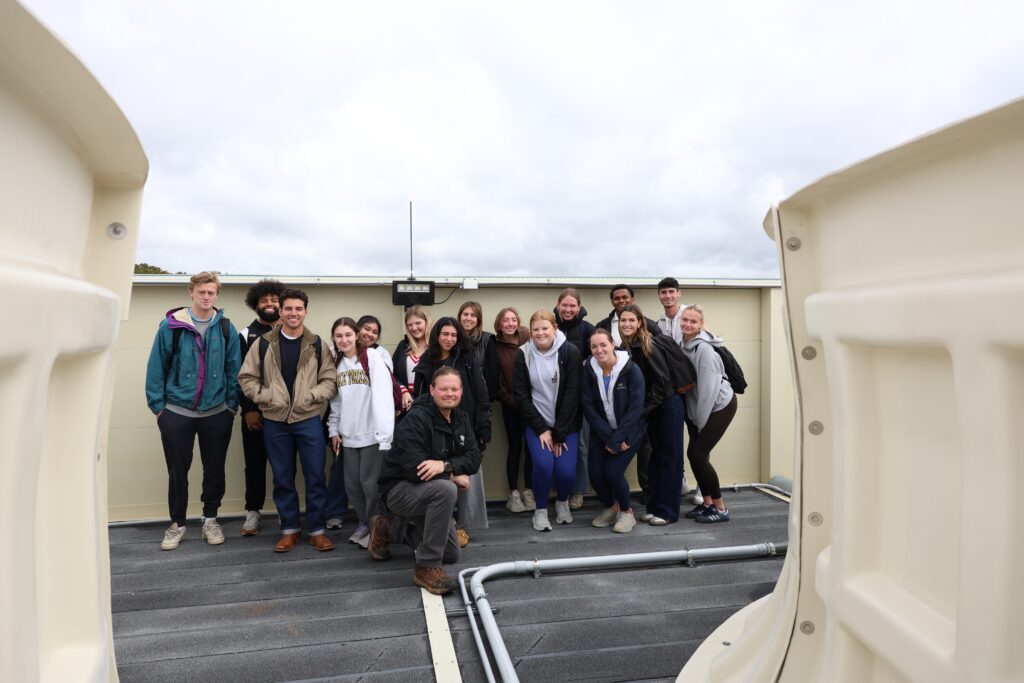 Environment and Sustainability is a signature area of excellence, recognized in the University’s strategic framework, Framing our Future. Students […]
 - 17 Champion of Change Awardees Celebrated at Annual Campus Sustainability Awards
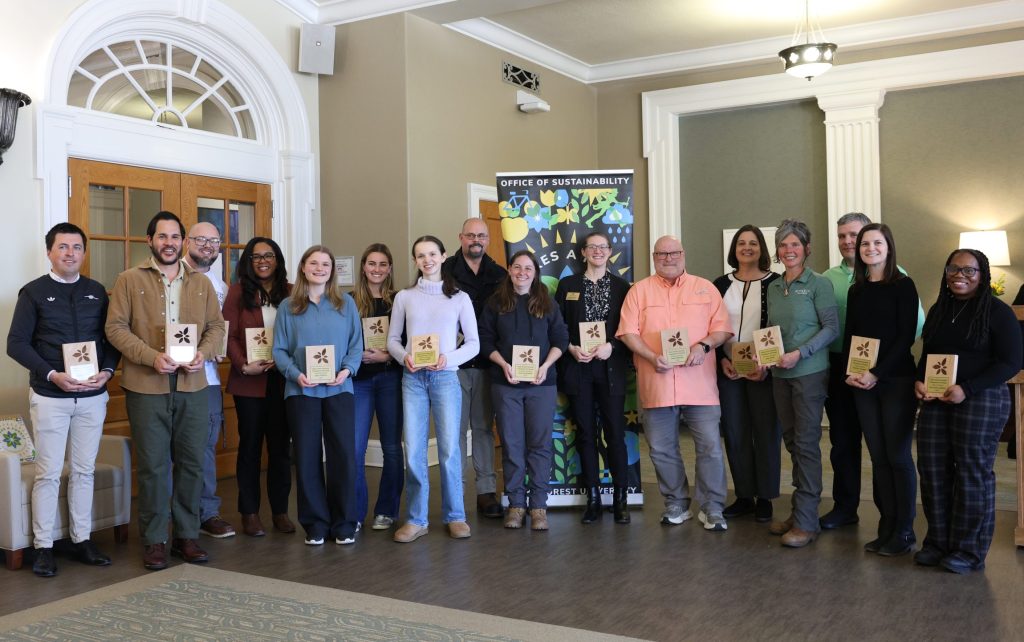 By Reese Lile (‘28), sustainability staff writer On Wednesday, March 18, students, faculty, and staff gathered in the Reynolda Hall […]
 - Wake Forest Team Members Present at the 20th Annual AASHE Conference
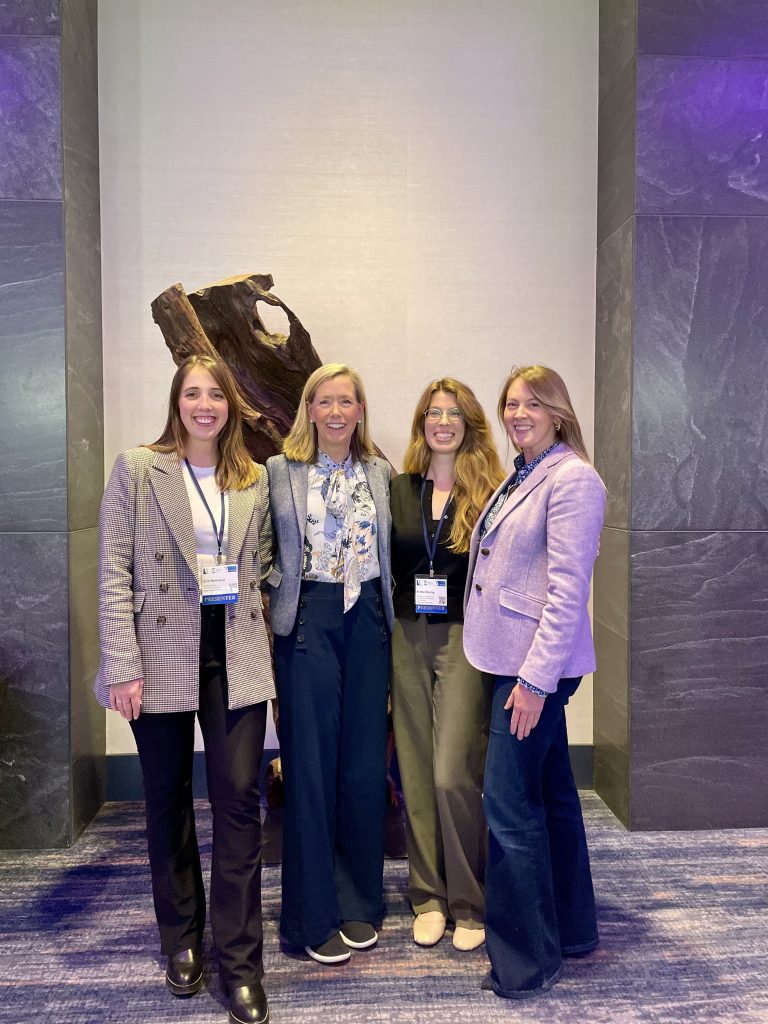 From October 22 – 24, Wake Forest sustainability staff members joined peers in Minneapolis for the 20th annual conference of […]
 - 2025 Sustainability Alumni Career Panel
 A panel of five Wake Forest graduates will share their career journeys with students at ourNearly 50 Students Wade into Campus Engaged Learning at Lake Katharine
 This fall, nearly 50 students in Engineering 112: Introduction to Engineering Experimentation explored Lake Katharine as a living lab for […]