
A reflection from the “On-Farm Seed Saving in the Southeast” pre-conference workshop
By Sam Elter, Outdoor Learning Spaces Manager
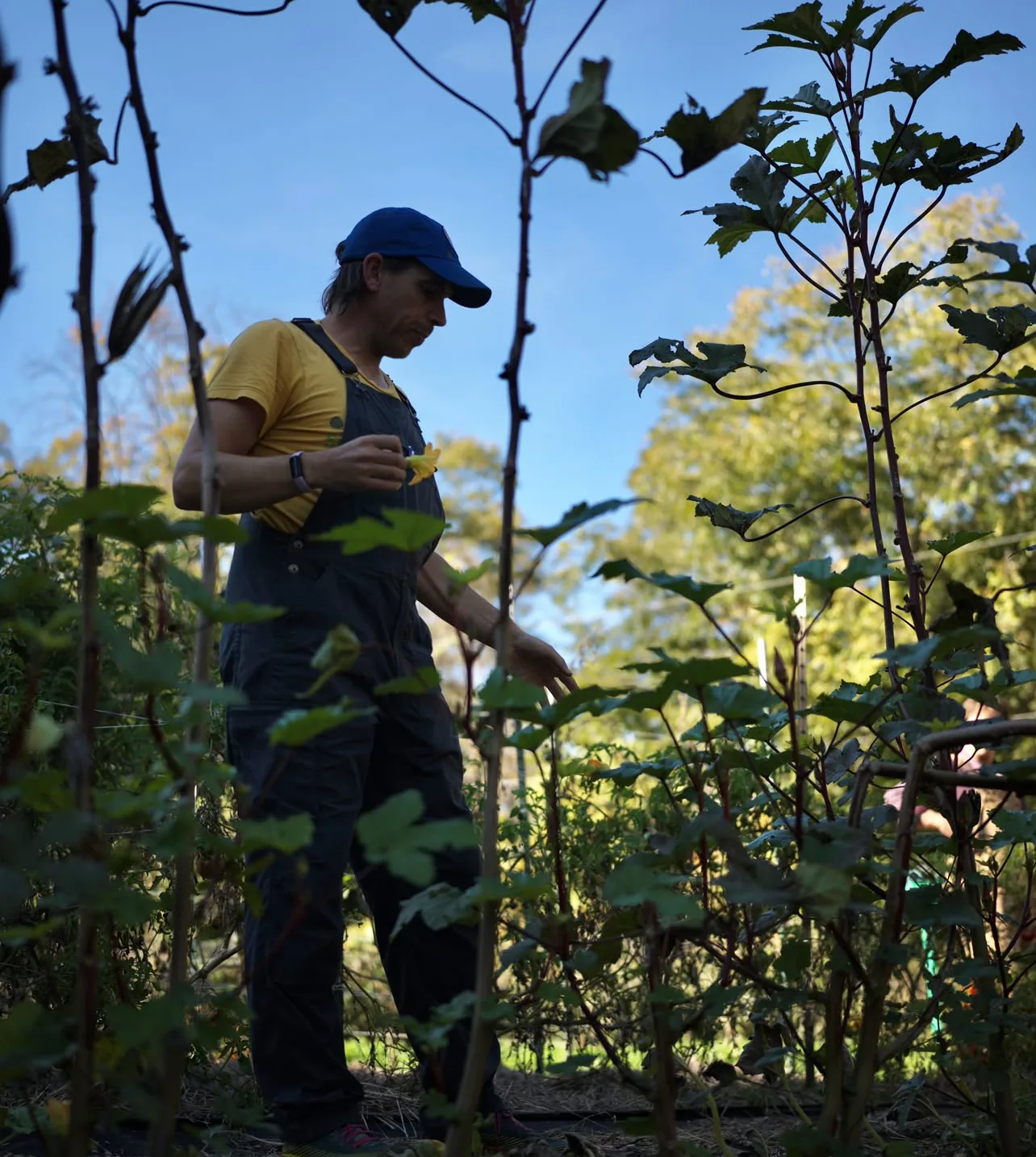
If you strolled by the Campus Garden on Friday, October 30th, you might have noticed the sounds of stomping, whacking and thrashing echoing on the nearby trees and buildings. Filling the spaces in between was laughter and hearty conversation as more than 30 attendees joined together at the garden to learn about and practice seed saving techniques.
Chris Smith, Founder and Executive Director of Utopian Seed Project in Asheville NC, led attendees through the process of saving seeds from their own crops during the workshop, “On-Farm Seed Saving in the Southeast.”
The event came as a precursor to the larger Carolina Farm Stewardship Association 2026 Sustainable Agriculture Conference hosted in downtown Winston-Salem at the Benton Convention Center – where agriculturalists, farmers, gardeners, and scientists, from amateurs to experts, came together to share knowledge and technique in the realm of sustainable agriculture.
Adapting to a changing climate
The mission of Utopian Seed Project (USP) is to cultivate resilience and nurture diversity. Through their research and trials, USP works diligently to find and/or create more resilient crop varieties to adapt to the changing climate. Based in the Southeast, this means a focus on varieties that are able to withstand higher summer temperatures and longer periods of drought. The team at USP not only work tirelessly to grow crops and save seeds, but also strive to educate, collaborate and build community to spread awareness and knowledge of the importance of biodiversity and seed sovereignty.
Chris led the group through the Campus Garden, celebrating the forms and variety in which plants make their seed to reproduce. On one side of the garden, sits the self-pollinating okra, whose flowers contain all the necessary reproductive tools to produce seed. On the other, are the lines of tomatoes that depend on pollinator activity to grow their fruits and reproduce. 75% of our food crops rely on pollination from ants, bees, butterflies, moths, wasps, beetles, birds and all sorts of other animals.
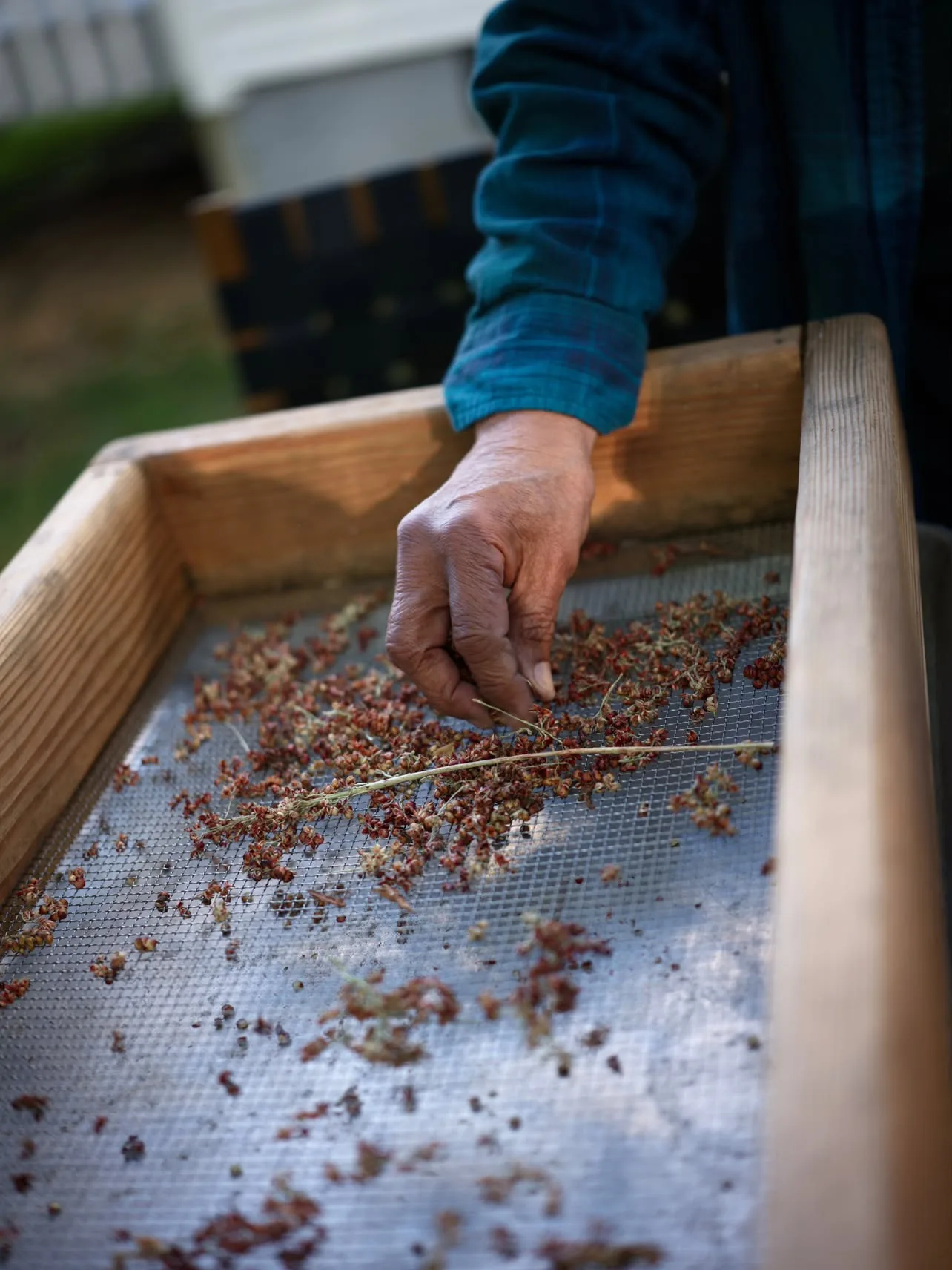
Blending traditional machinery and techniques with modern technology, Chris and his team demonstrated how to thresh, winnow and screen seeds for sale and/or personal use. He showed just how enjoyable it can be to collect bean seeds by laying them on a tarp and doing the “shuffle and stomp” to thresh apart the shells and reach the seeds inside. Meanwhile, on the other side of the garden, Ira showed attendees how to rake seeds along various sized screens – allowing the seeds to drop through while the stems and other mass remained above. As the final step in the process, Lu dropped the seeds through the breeze of a fan or placed them in a bucket of water to winnow them by separating the seeds from the chaff and flesh of the fruits.
Beyond the garden boundaries
The broader conference, organized by the Carolina Farm Stewardship Association, is a hub for those determined to find pathways to more resilient food systems. No matter if you are working in a quarter-acre backyard garden or a 1,000 acre large scale farm, the message is clear – sustainable, and furthermore, regenerative agriculture is the best path forward.
Whether the conversation was on seed selection, production, pest management, seed saving, irrigation, or consumption, the throughline between all conference sessions was that moving forward with an environmental regeneration-focused mindset is the key pathway to successful climate change mitigation.
Here at Wake Forest, we strive to incorporate that same mindset of systems thinking and integration across disciplines and in every aspect of campus operations and culture.
At the Campus Garden, this translates to students visiting to learn, discuss and ideate on how they can apply the lens of sustainability and regenerative systems to other places, questions, and contexts in their respective fields of study and in their careers beyond Wake Forest.
It is up to us to plant the seeds of better practices today – to carefully nurture, water and protect them so that future generations will be given the opportunity to harvest the benefits and promote the cycle indefinitely.
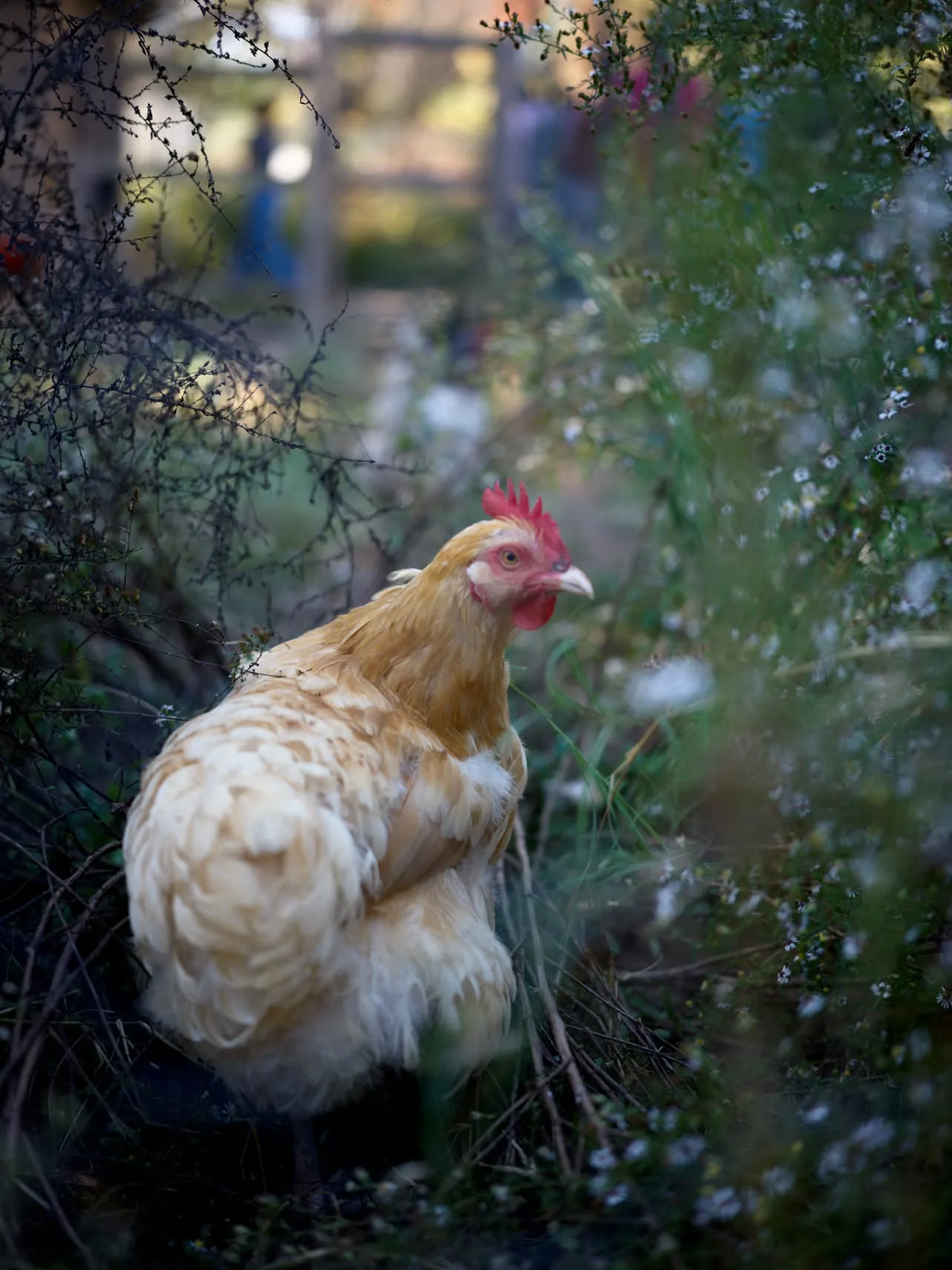
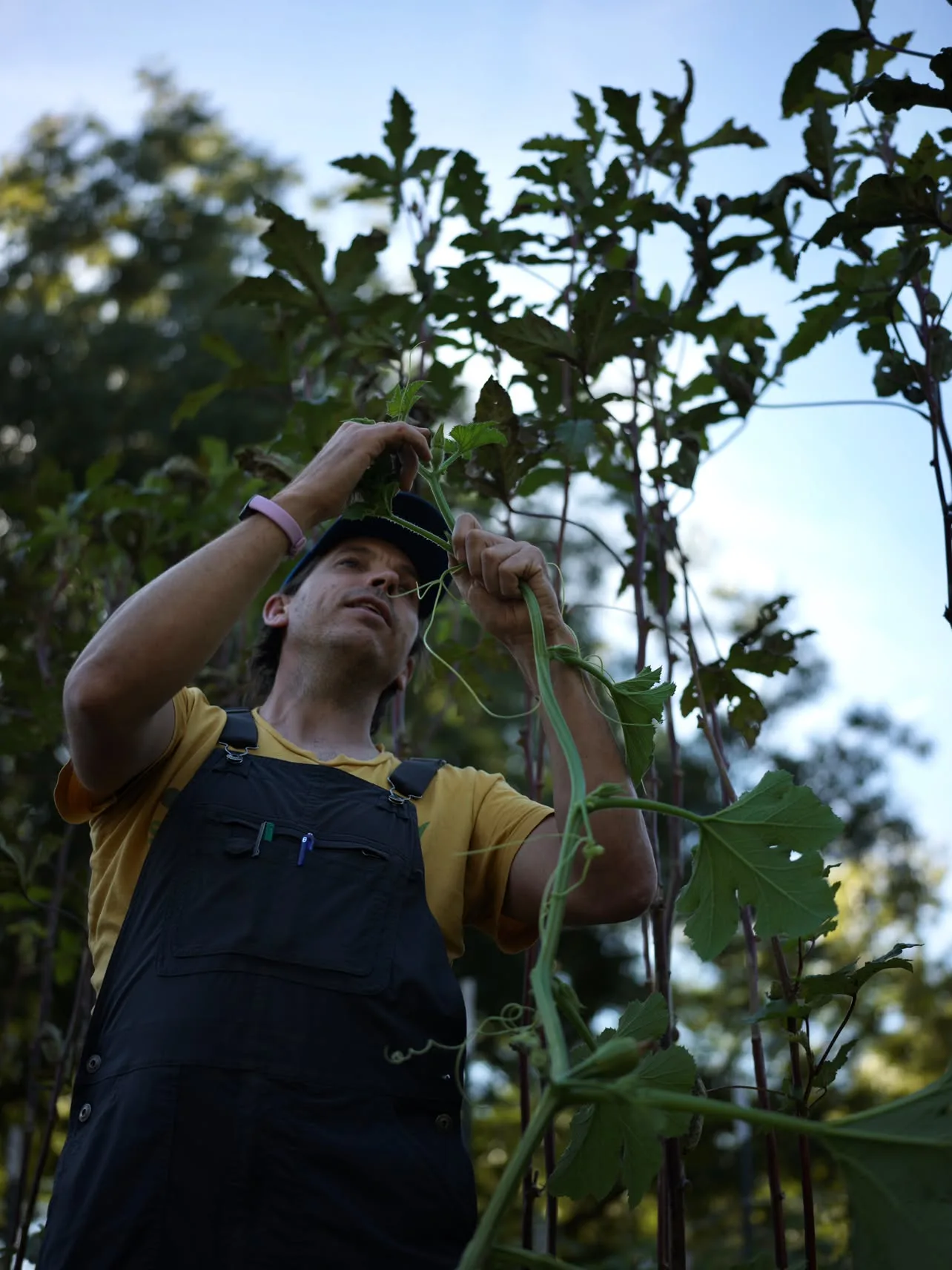
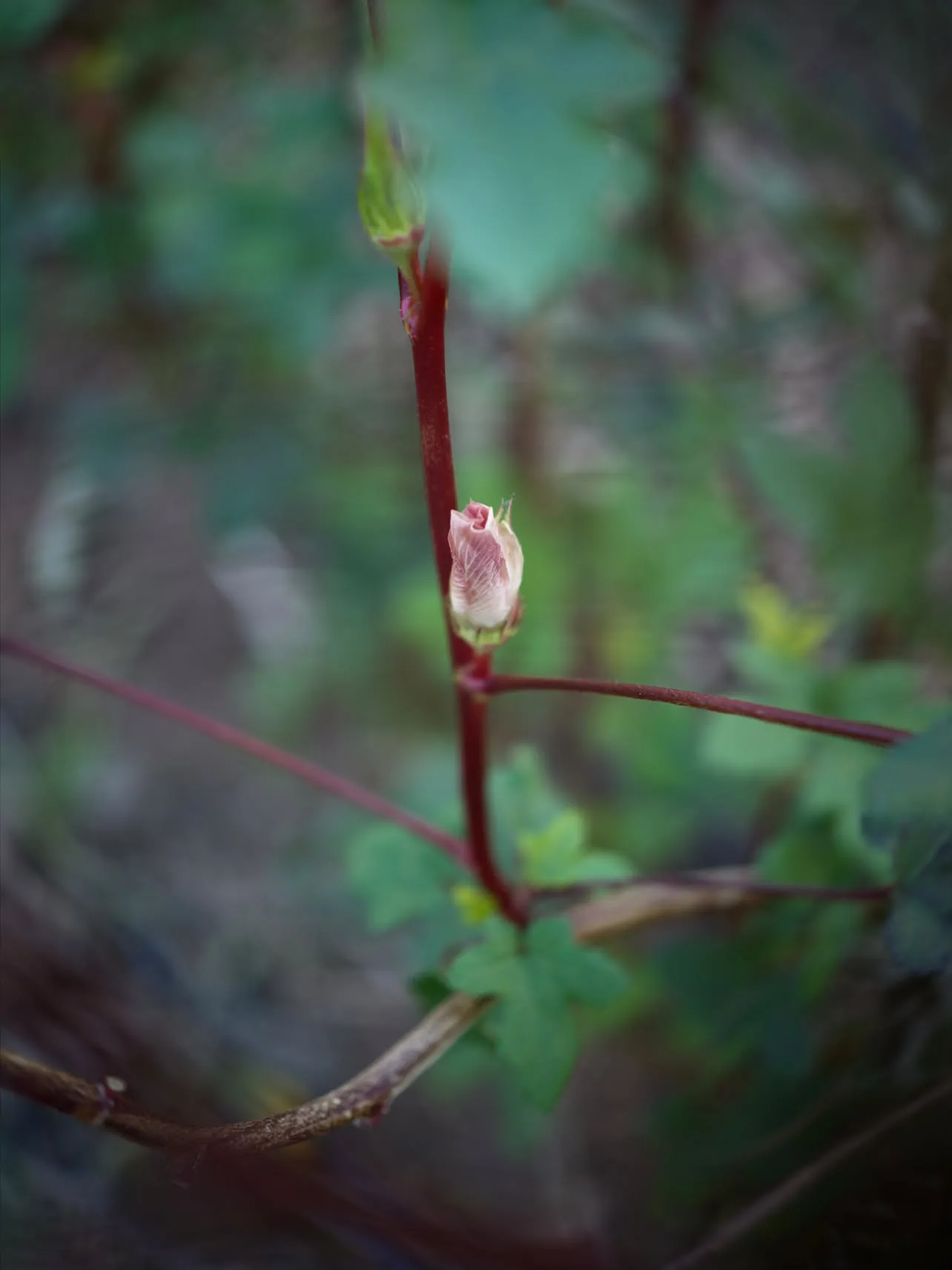
Photos shared from participant Tara Derr Darling.