
The Office of Sustainability works with faculty across all disciplines to integrate a range of collaborative, campus-based engaged and experiential learning opportunities into their teaching and research to help students expand their understanding of complex sustainability challenges and achieve learning objectives.
Wake Forest faculty and staff are invited to schedule an exploratory meeting or submit project or research ideas by contacting our Assistant Director for Engaged and Experiential Learning for Sustainability, Krista Stump.
How We Provide Support
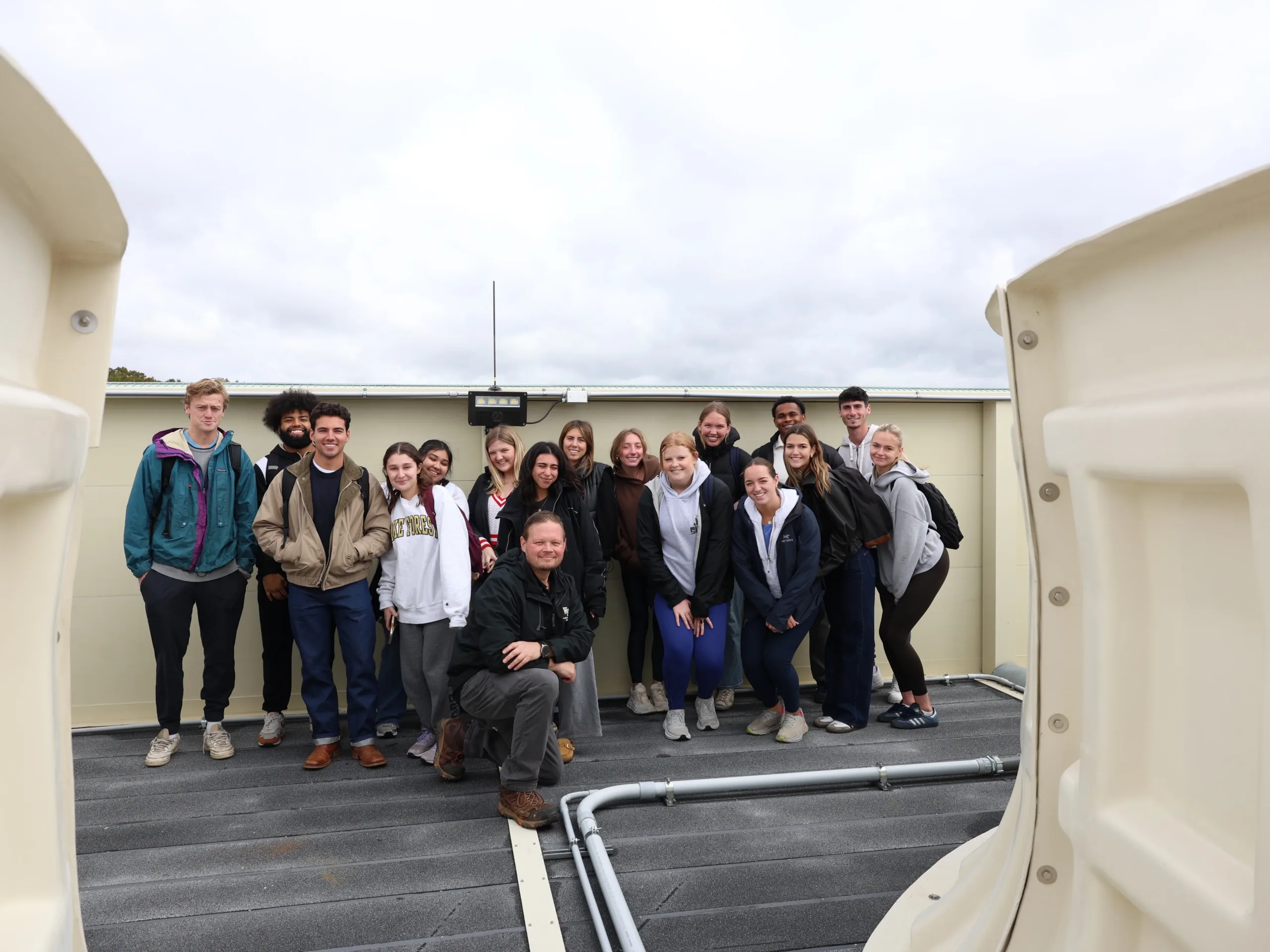
Engaged & Experiential Learning
The Office of Sustainability can fully plan and facilitate an engaged and/or experiential learning activity at a campus sustainability learning space for interested faculty. Office of Sustainability staff help develop learning outcomes for the experience, arrange the learning space, deliver guest lectures, develop projects, and coordinate with campus partners. Faculty who pursue this option agree to engage students in a post-activity reflection, implementing the important reflection step of the experiential learning cycle. To plan an activity for your course, contact Krista Stump.

Resources for Learning
The Office of Sustainability can provide curated resources on various topics for faculty who would like to incorporate sustainability into their courses. Resources can include learning modules, podcasts/videos, and selected readings about climate change and resilience, regenerative agriculture, and/or regional ecosystems. Faculty can use these resources to achieve course learning outcomes independently or while partnering with the Office of Sustainability on the development of a campus engaged learning activity. To request resources, contact Krista Stump.
Places for Learning
Sustainability Learning Spaces
Sustainability learning spaces are places on Wake Forest’s campus that demonstrate climate change solutions or Southeastern ecosystems and their services. These spaces provide rich, place-based opportunities for students to engage with course material through a disciplinary-specific sustainability lens. The Office of Sustainability coordinates class tours, engagements, and projects at these spaces as part of engaged and experiential learning activities. To explore existing sustainability learning spaces, click here. To propose an idea for a new sustainability learning space, click here.

Outdoor Classrooms
Faculty who are solely seeking a space to host a class outside can take advantage of a number of outdoor classrooms on campus. Faculty and staff can enjoy these spaces on their own; the reservation process for each outdoor classroom varies. Please note that this list of examples may not be exhaustive of all outdoor spaces that could be used to host a class. The desire for additional outdoor classrooms and learning spaces has been a consistent theme explored in Wake Forest’s comprehensive campus space planning process.
Existing Sustainability Learning Spaces
There are a wide variety of indoor and outdoor sustainability learning spaces on the Reynolda campus and in historic Reynolda. Through engagements facilitated by the Office of Sustainability in close partnership with Facilities & Campus Services, Reynolda Gardens, and other campus partners, faculty are able to bring students into these spaces to learn from campus experts and enjoy place-based opportunities to achieve learning outcomes.

The Campus Garden
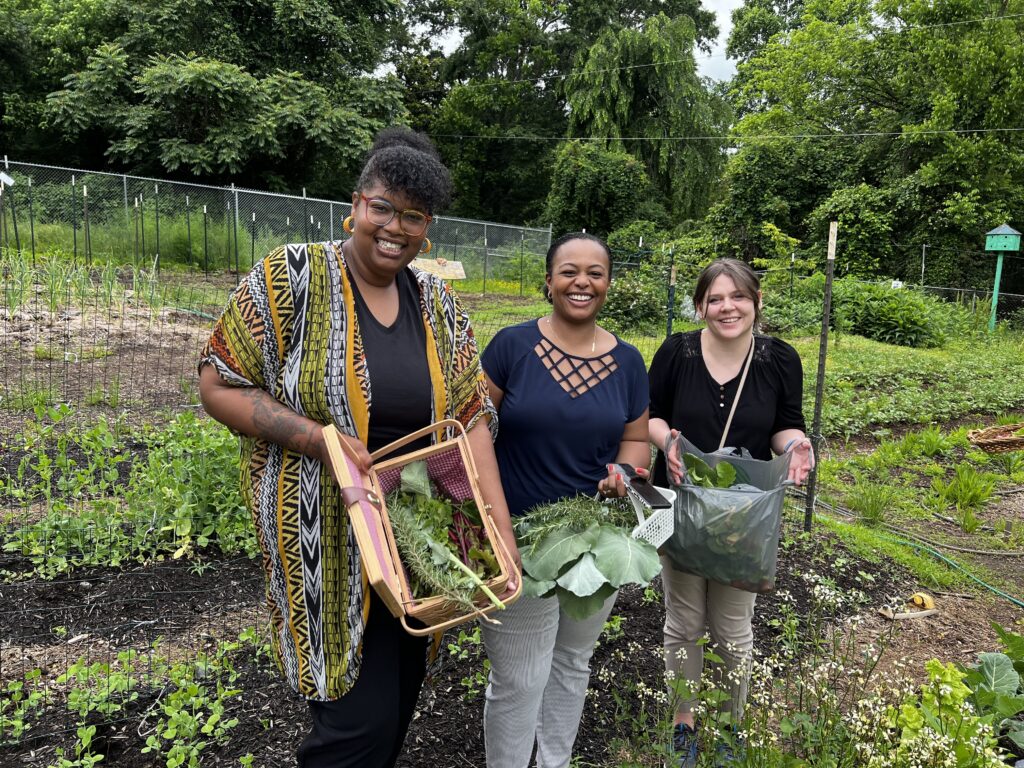
A learning site demonstrating regenerative agriculture practices, where students explore topics such as food systems and soil health. Classes take tours, manage crops, and engage in place-based learning activities. It also serves as an active research site for faculty.
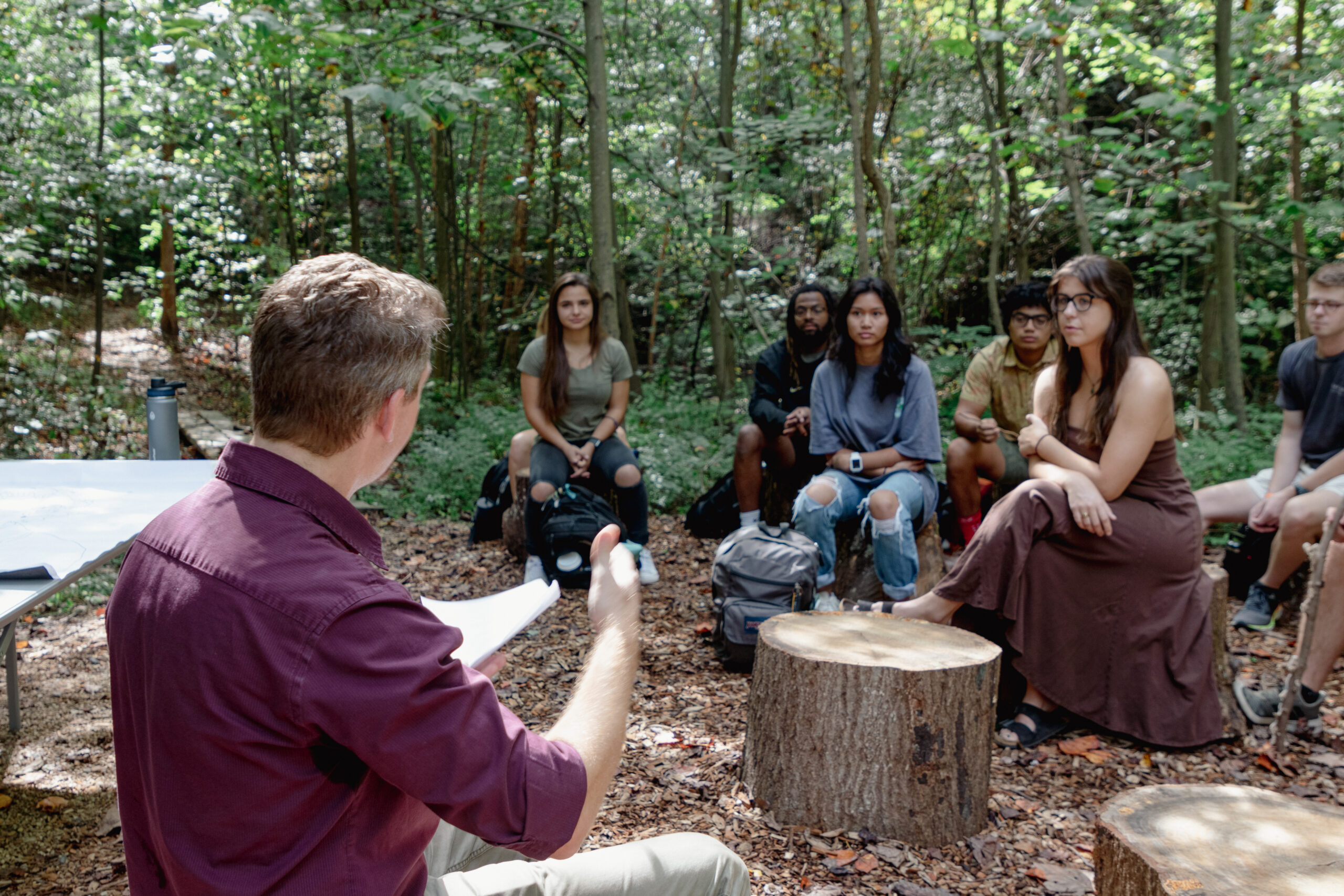
The Tohi Garden
Situated behind Angelou Residence Hall, this multifunctional site manages stormwater to reduce flooding and improve water quality before it enters local waterways. It also serves as an outdoor classroom featuring native plants and honoring Indigenous histories and cultural connections to the land.
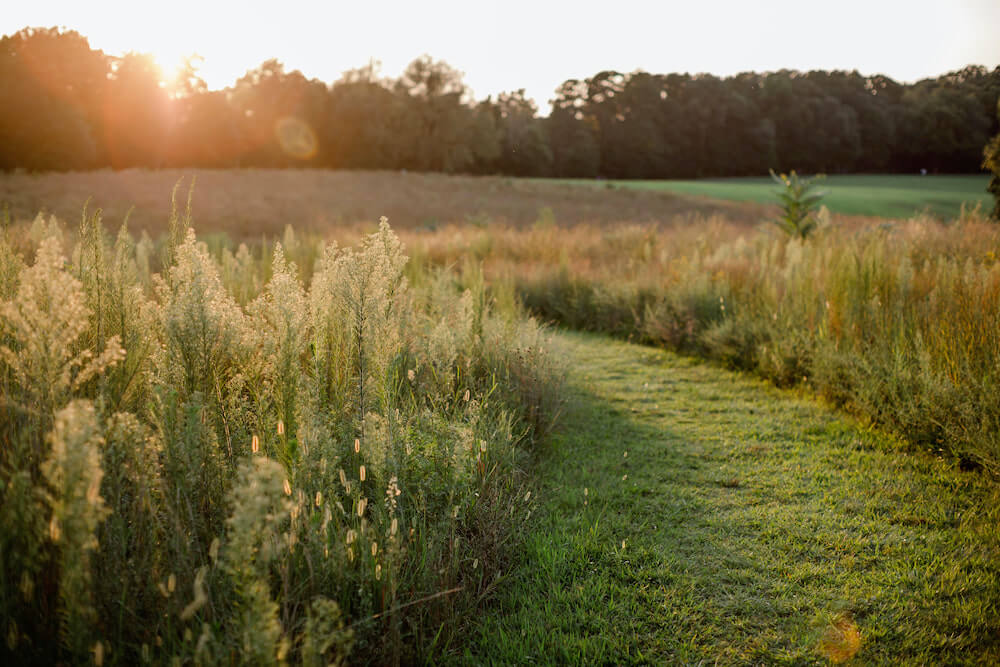
The Reynolda Meadow
A demonstration of Piedmont Prairie habitat restoration, this meadow showcases native plant species and land management practices that support regional ecosystems. It also functions as an outdoor laboratory for teaching and research.
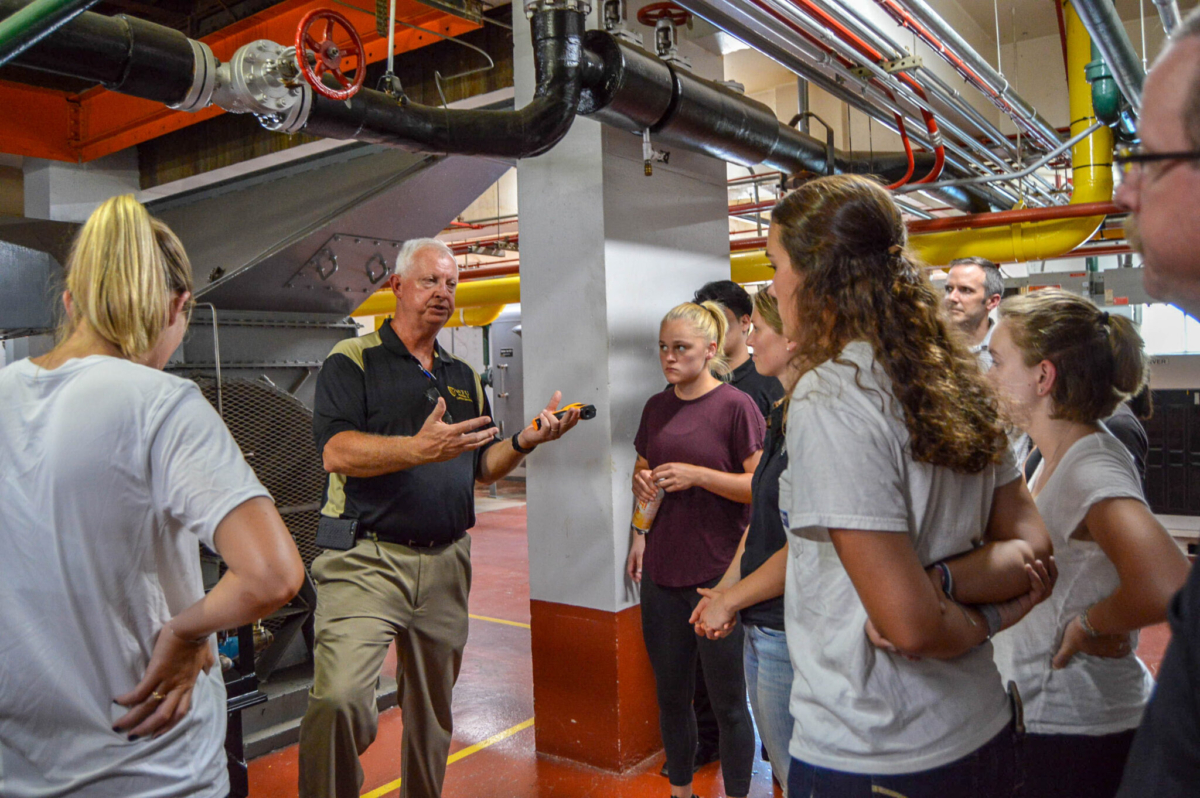
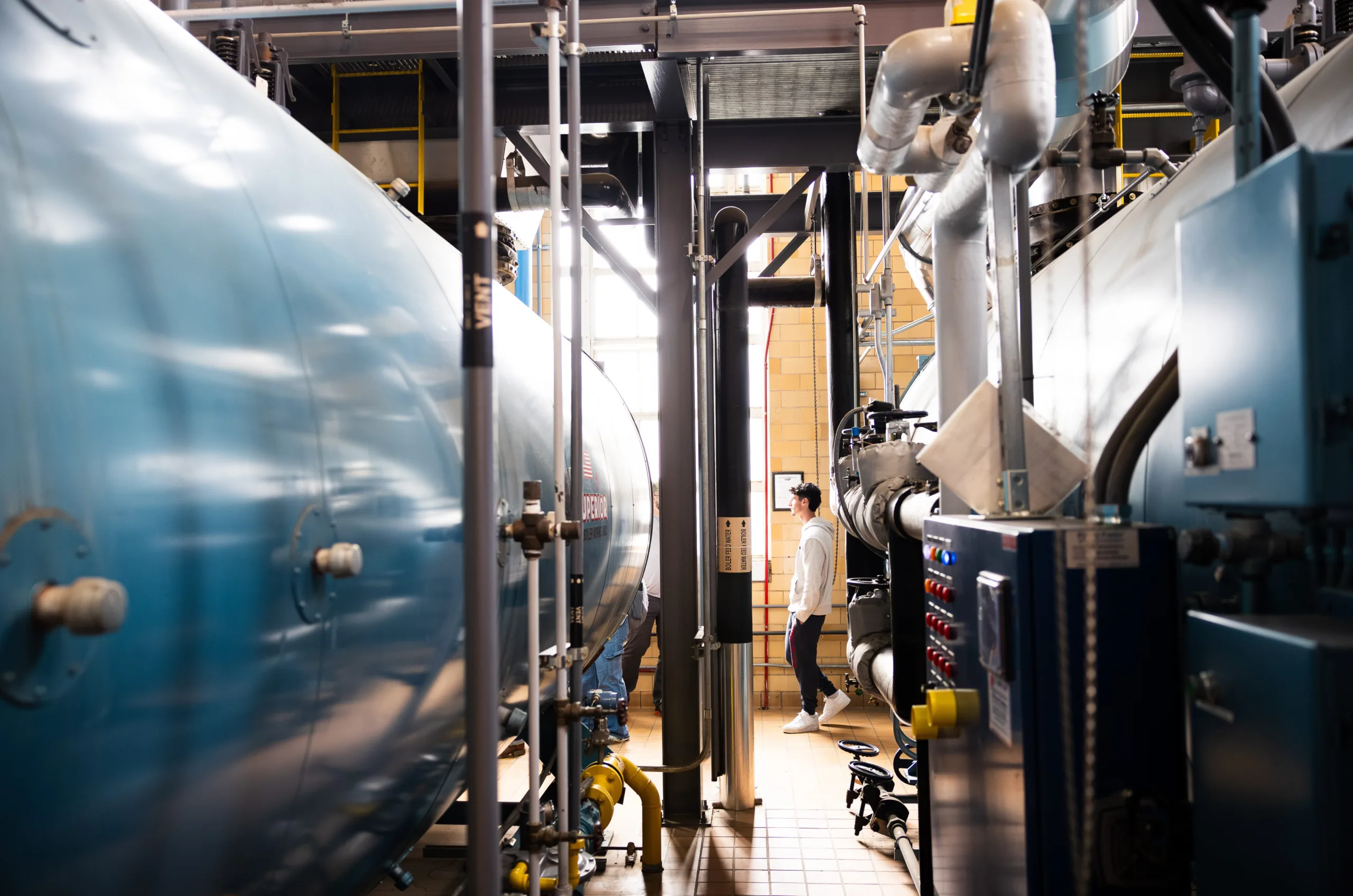
The Heating and Chiller Plants
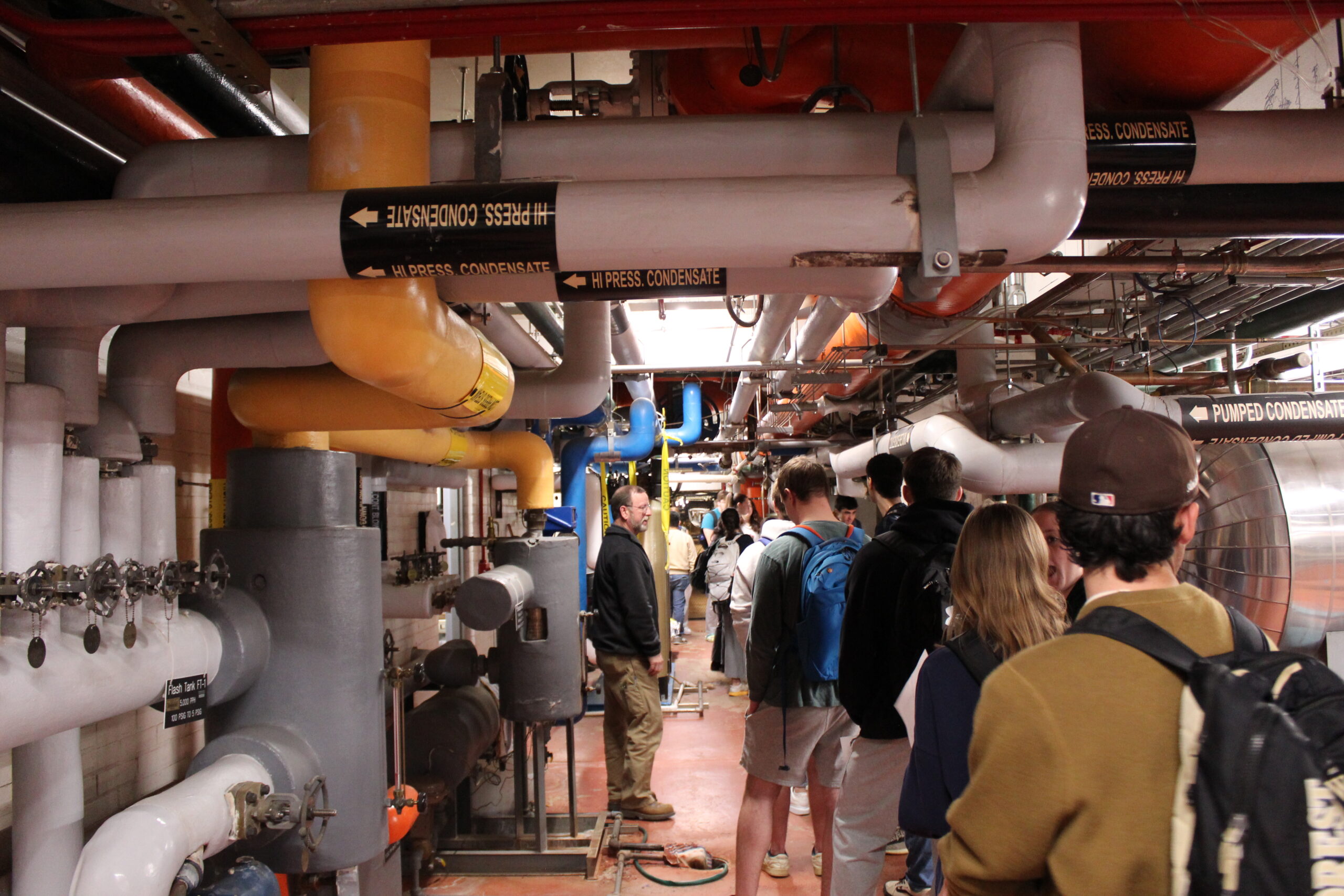
These sites highlight Wake Forest’s district heating and cooling system and the University Operations Center (UOC), emphasizing energy efficiency and carbon emissions reduction efforts aligned with the WFU Climate Action Plan. In partnership with Facilities and Campus Services, they offer insight into large-scale, systems-level campus infrastructure and sustainability initiatives.
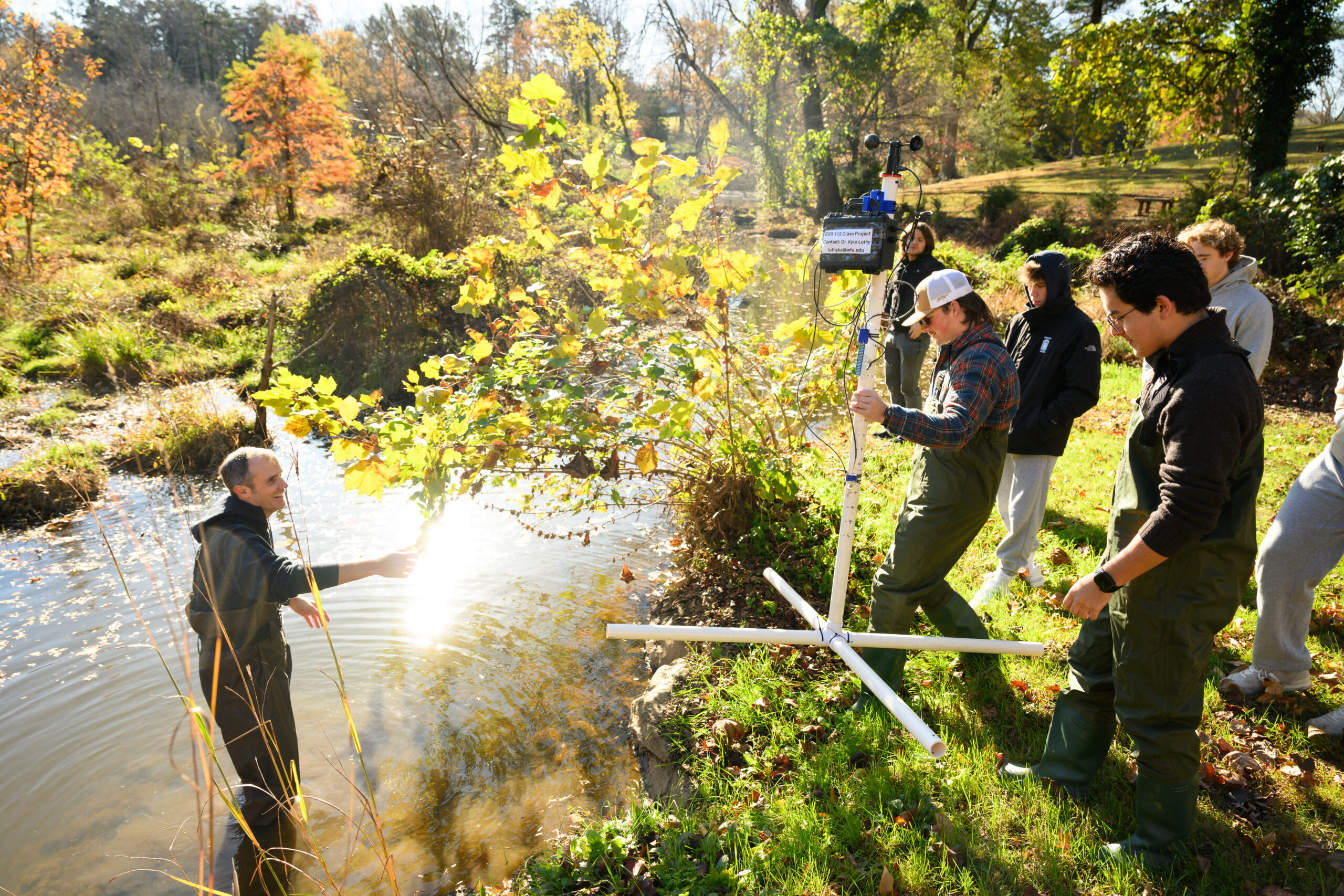
Lake Katharine Wetlands
This place-based learning site highlights the role of wetlands in climate change mitigation, including flood control and water filtration. It also provides habitat for native wildlife, offering regional ecosystem learning opportunities.
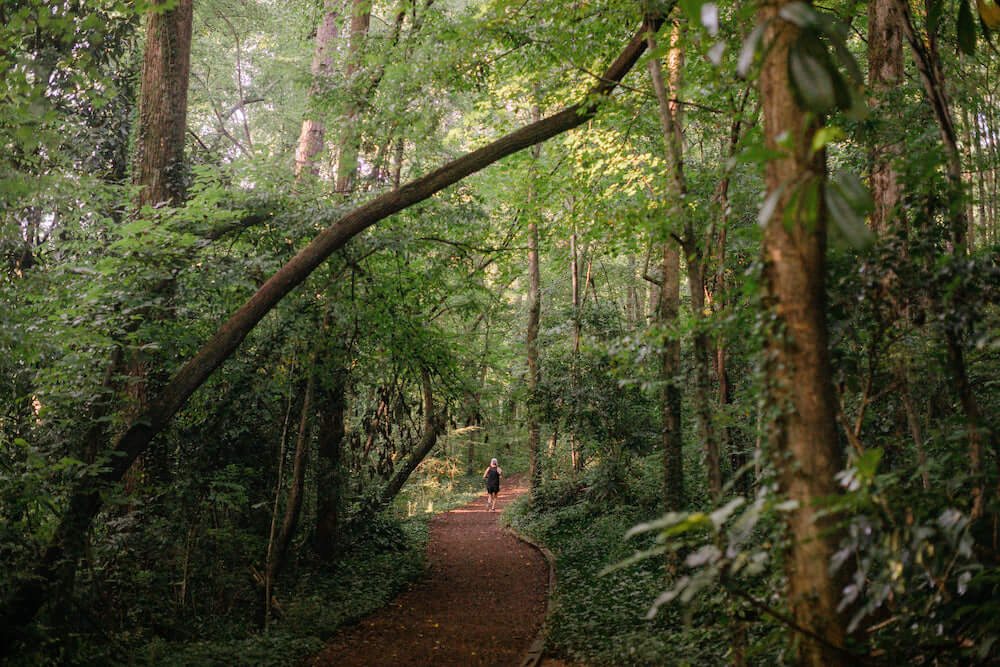
The Reynolda Trails
These trails offer a place-based learning experience where students engage directly with the local landscape, fostering connections between regional ecosystems, history, and community.
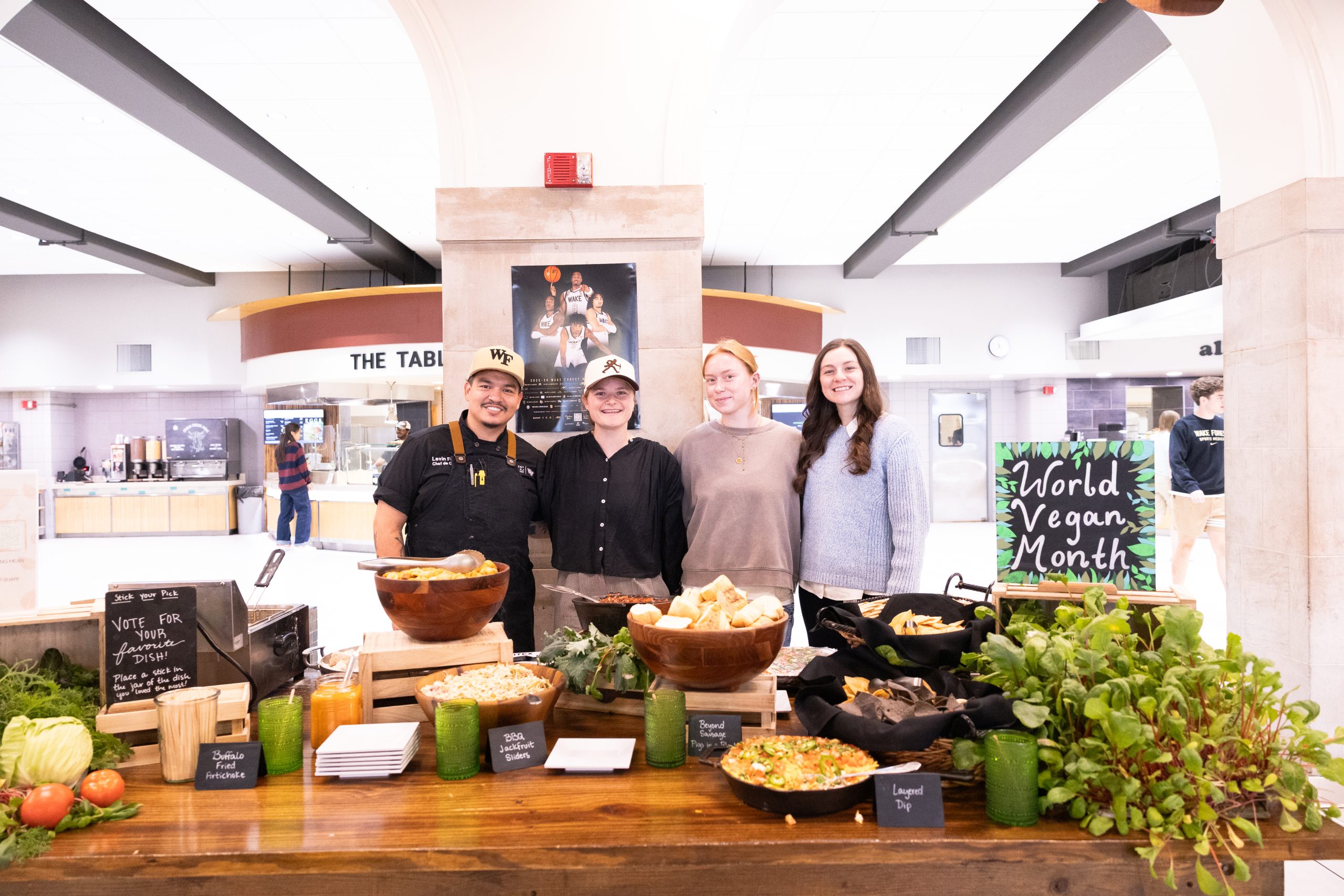
Residential Dining Locations
North Dining Hall demonstrates sustainable principles through plant-forward menus, food waste reduction strategies, and LEED-certified building features. In collaboration with Harvest Table Culinary Group, it connects everyday dining choices to broader environmental impacts.
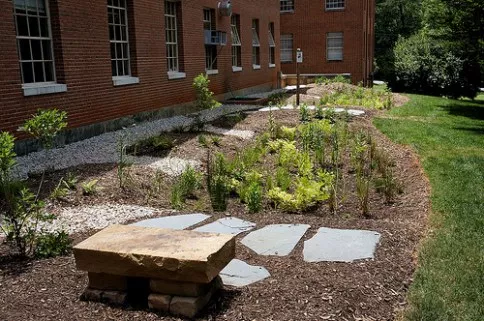
Winston Hall Rain Garden
Designed to manage stormwater runoff, this rain garden features native plants that support pollinators and wildlife. It demonstrates how green infrastructure can enhance biodiversity while addressing water management challenges.
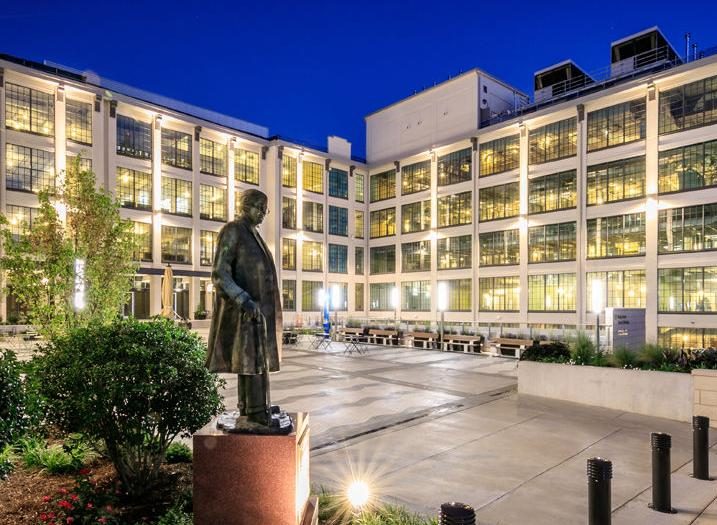
Wake Downtown
Wake Downtown connects sustainability with urban context through features like the Long Branch Trail, LEED-certified design elements, and historic preservation. It highlights how sustainable practices intersect with community development and adaptive reuse.
Do you have an idea for a new sustainability learning space?
Faculty or staff who would like to request new sustainability learning spaces to achieve course learning outcomes should fill out the form below.
Campus Engaged Learning in Practice
Sustainability Learning Space Tour
Students in Environmental Ethics (PHI 163) took a guided tour of the campus heating plant and Utilities Operations Center (UOC). Dedicated staff from the Facilities & Campus Services Utilities Operations Team shared the measures the university is taking to reduce carbon emissions and achieve Wake Forest’s goal of climate neutrality by 2040. Students completed an assignment exploring personal vs. institutional responsibilities to reduce carbon emissions.
Cross-Disciplinary Class Projects
Students in Cultivating Food Justice (ENV 304) planted and cared for crops in the Campus Garden over the course of a semester. At the end of the semester, they harvested their crops and shared a potluck meal showcasing original recipes using the crops they had grown. Students in Introduction to Painting (ART 112) collaborated with the Food Justice class to create art prints of the crops using a traditional printmaking method and colors from found materials, such as hibiscus and black tea.

Semester-Long Research Project
Students in Introduction to Engineering Measurement and Analysis (EGR 112) created their own sensors to measure environmental conditions in the Campus Garden that impact plant health. The students designed their own research projects with the sensors and wrote abstracts to distill their findings.
“Engaging with campus partners allows the Engineering students to see firsthand the role that engineering plays in seemingly unrelated contexts, such as gardening. Through these types of projects, students have an opportunity to learn more about their campus and hopefully make a positive impact on it in the process.”
Dr. Kyle Luthy, Assistant Professor, Department of Engineering

Related Posts
- Activating Sustainability Across the Disciplines: The 2026 Magnolias Curriculum Project
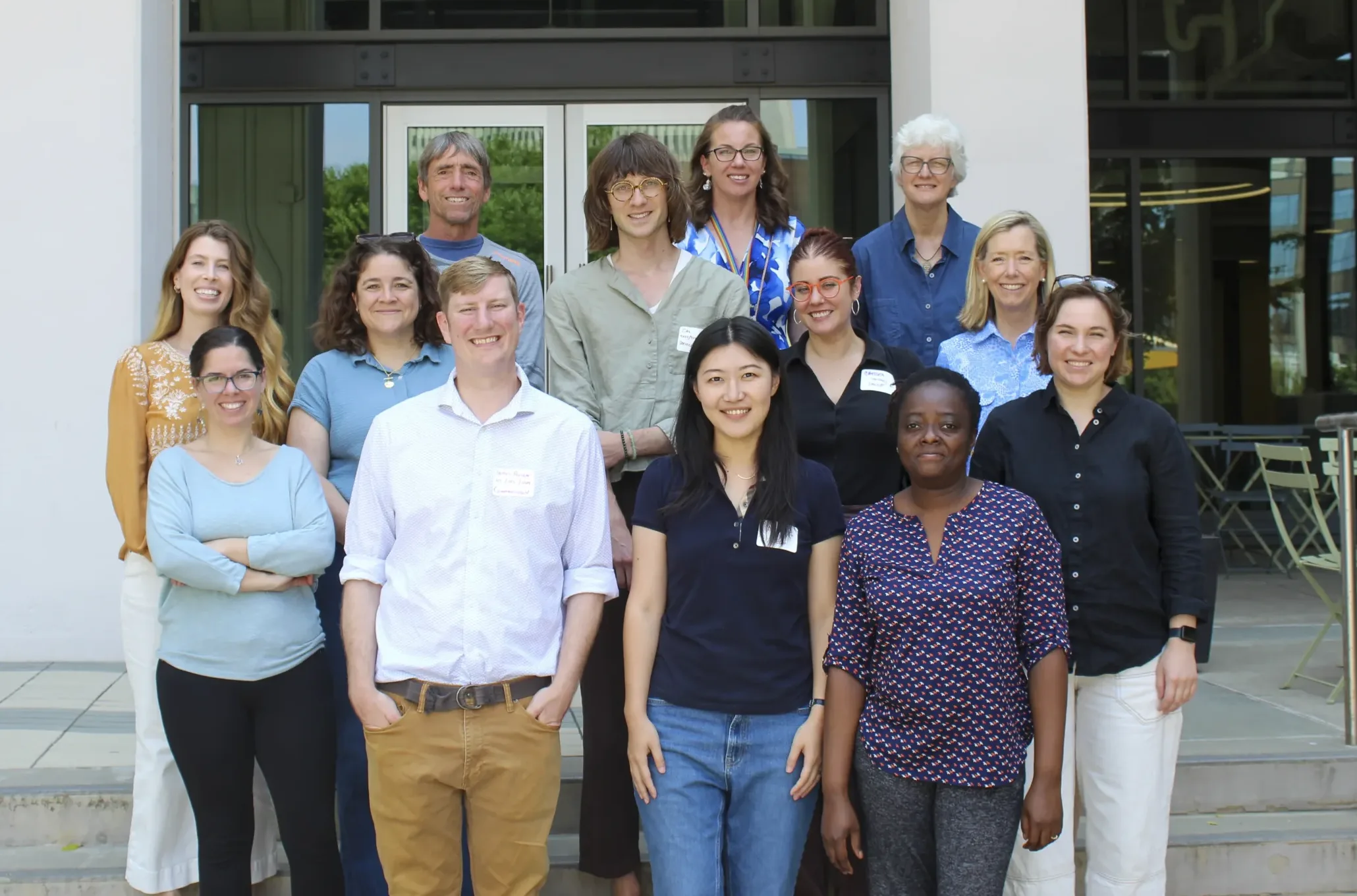 In the days following commencement, 10 faculty members representing 10 different academic departments and programs at Wake Forest participated in […]
 - Campus-Engaged Learning at Wake Forest: Integrating Sustainability across the Curriculum
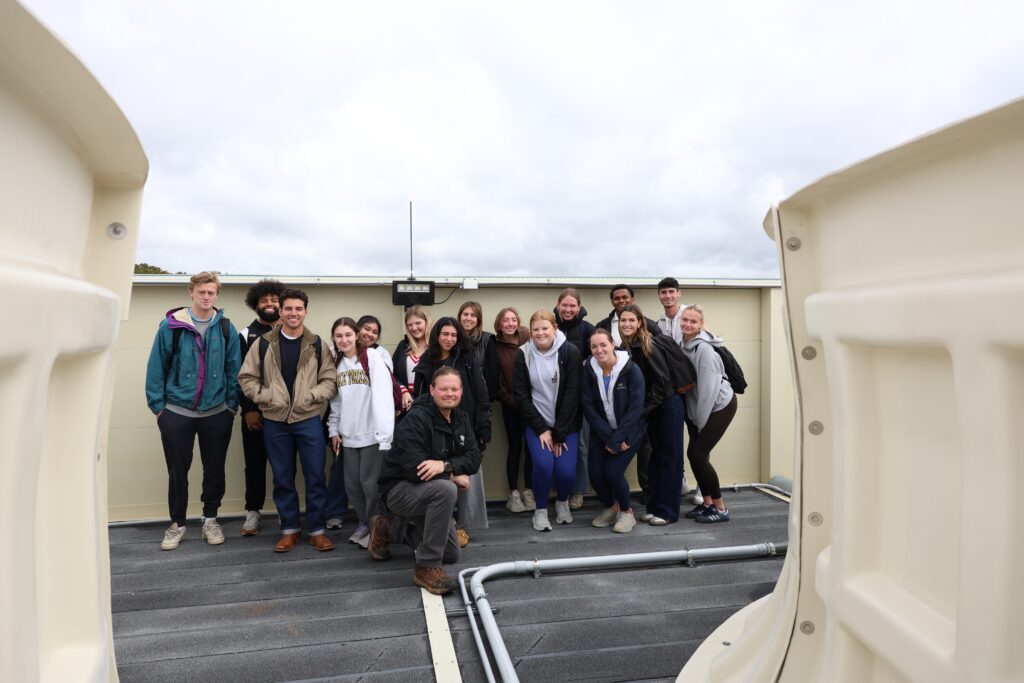 Environment and Sustainability is a signature area of excellence, recognized in the University’s strategic framework, Framing our Future. Students […]
 - 17 Champion of Change Awardees Celebrated at Annual Campus Sustainability Awards
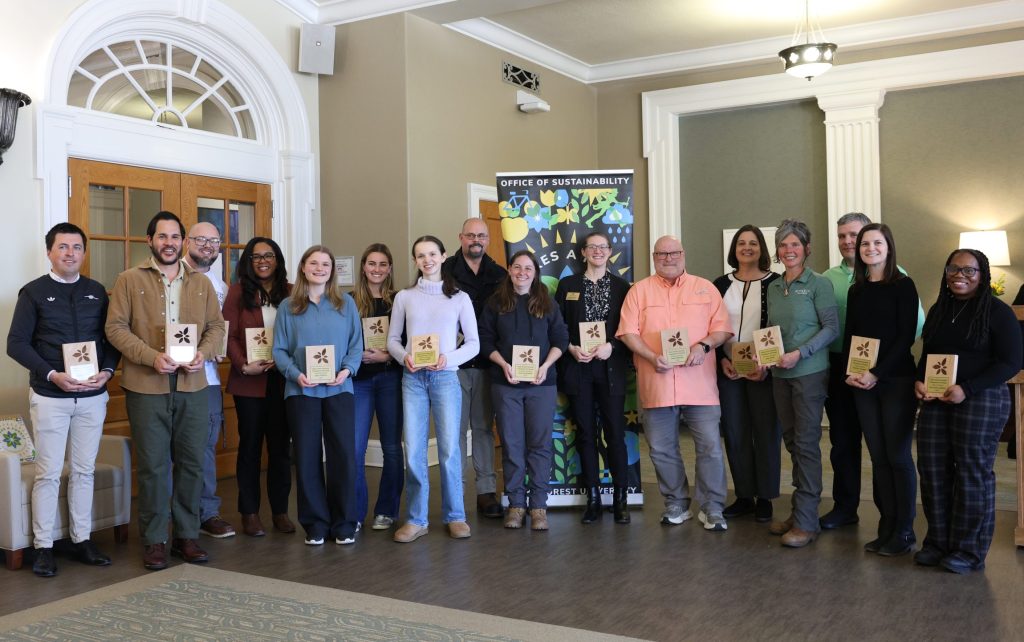 By Reese Lile (‘28), sustainability staff writer On Wednesday, March 18, students, faculty, and staff gathered in the Reynolda Hall […]
 - Wake Forest Team Members Present at the 20th Annual AASHE Conference
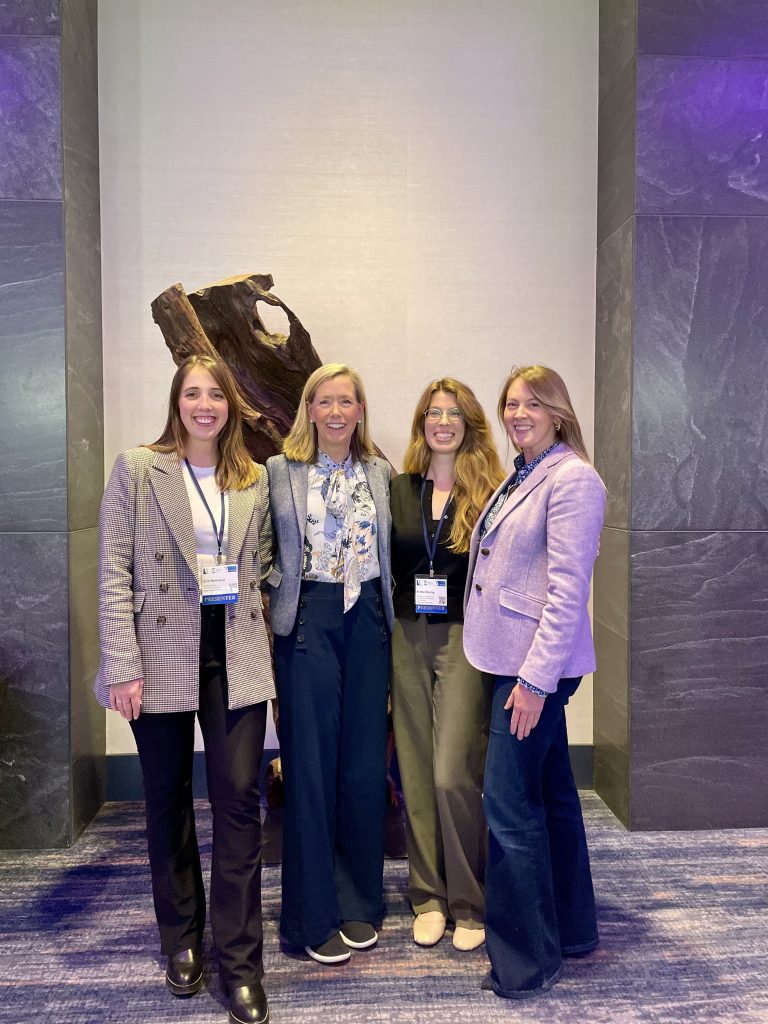 From October 22 – 24, Wake Forest sustainability staff members joined peers in Minneapolis for the 20th annual conference of […]
 - Activating Sustainability Across the Curriculum: The 2025 Magnolias Curriculum Project
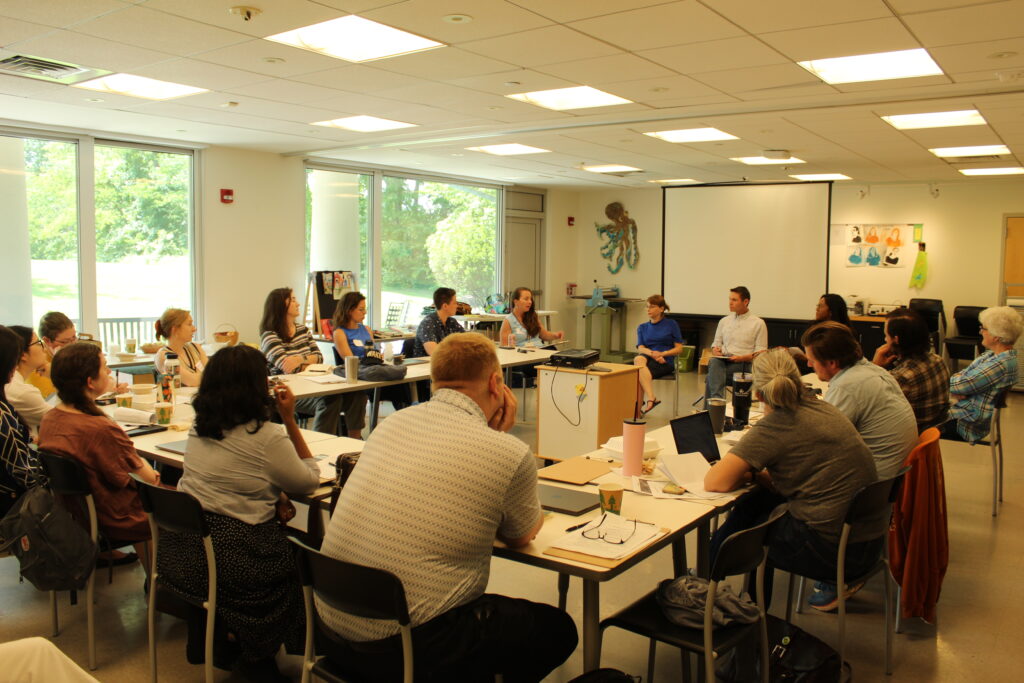 The 2025 Magnolias Curriculum Project took place on May 21 and 22, bringing together 13 faculty participants from 13 different […]
 - Summer 2025 Faculty & Staff Campus Garden Volunteer Hours
 Are you looking to spend more time outside this summer? Want to meet new colleagues? Join the Office of Sustainability […]