
University Arborist Jim Mussetter describes his role and how trees contribute to the resilience and biodiversity of our picturesque campus.
By sustainability staff writer Jasmine Standez (’27)
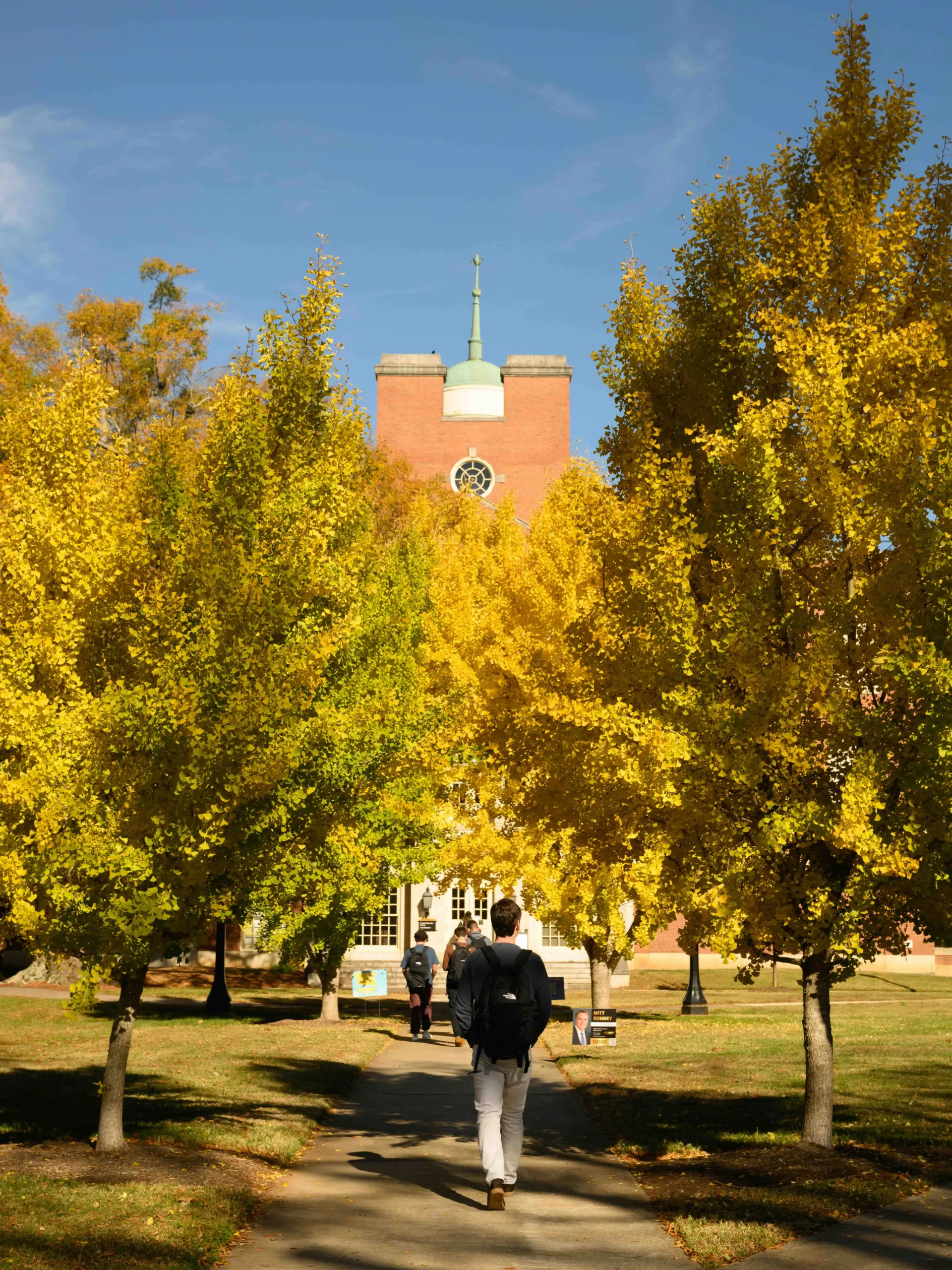
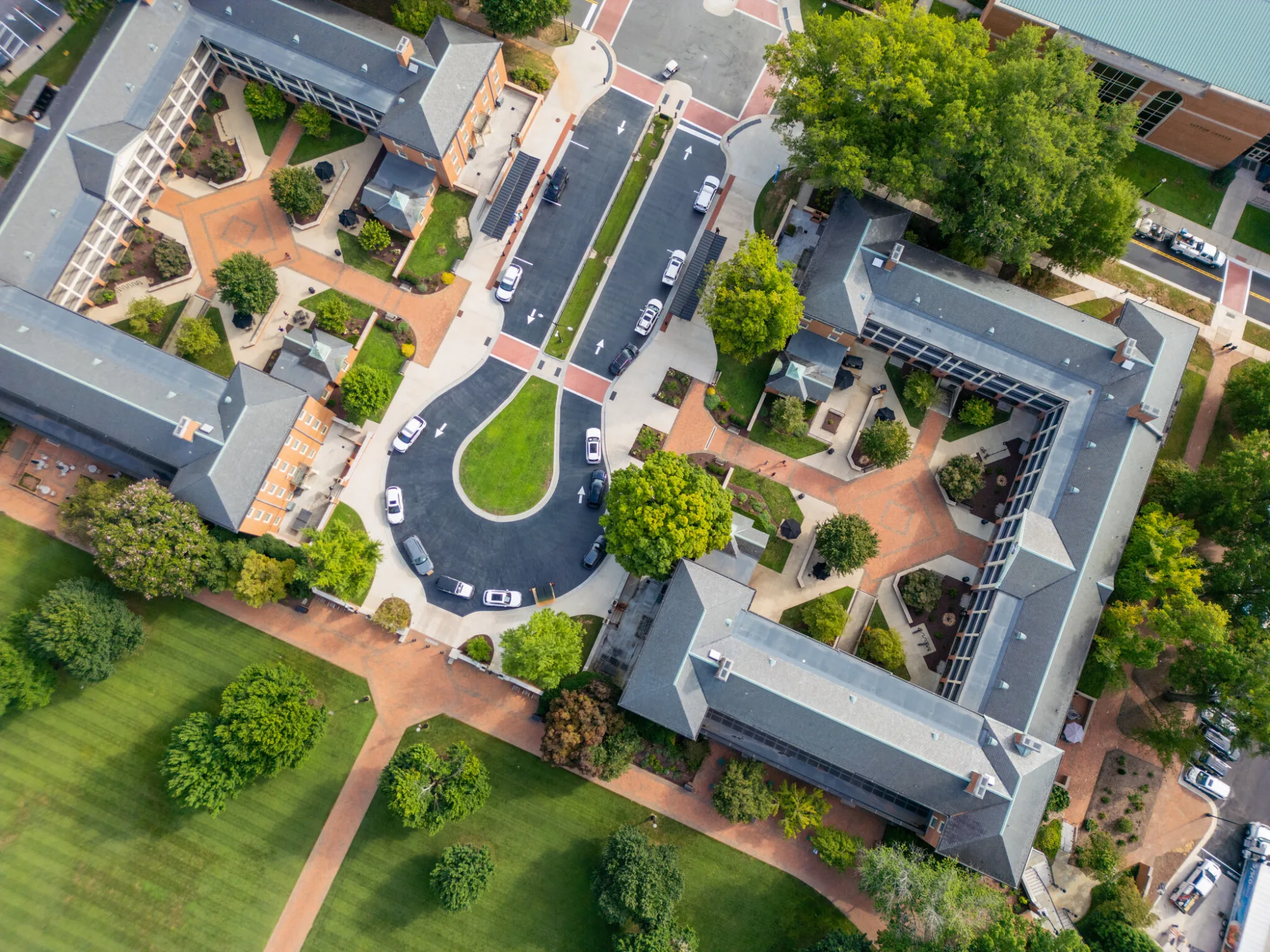
This August, Wake Forest University received accreditation as a Level II Arboretum on the Morton Register of Arboreta. This status recognises the university’s tree diversity, planning, governance, staff support, and education efforts to plant and maintain its trees. To create this environment, campus Facilities, Real Estate and Planning Horticulture team has devoted their time and effort to tending the University’s landscape. Jim Mussetter, the university’s arborist, has been working at Wake Forest since 1992. Through his dedication and care, he keeps the trees on campus beautiful and healthy.
Mussetter explained his experience working at the university and his contributions to the new level two arboretum status.
Q: What are the main roles and responsibilities that you have on campus?
A: I think caring for trees is number one. I also serve as an advocate and voice for trees during campus expansion and renovation, mainly by looking out for them. When the campus population is lower during the summer, the tree team spends a lot of time removing dead wood and making sure there’s a reasonable level of safety for faculty, students, and staff. Once the fall semester starts, we may move off campus to deal with football starting up and off campus properties. It depends on the time of year where we’re working, but our main work happens during the summertime, when the focus is on campus and preparing it for the fall semester. During the winter months we get to do some tree planting.
Q: What was the process of getting the arboretum status? What had to change on campus for that to happen?
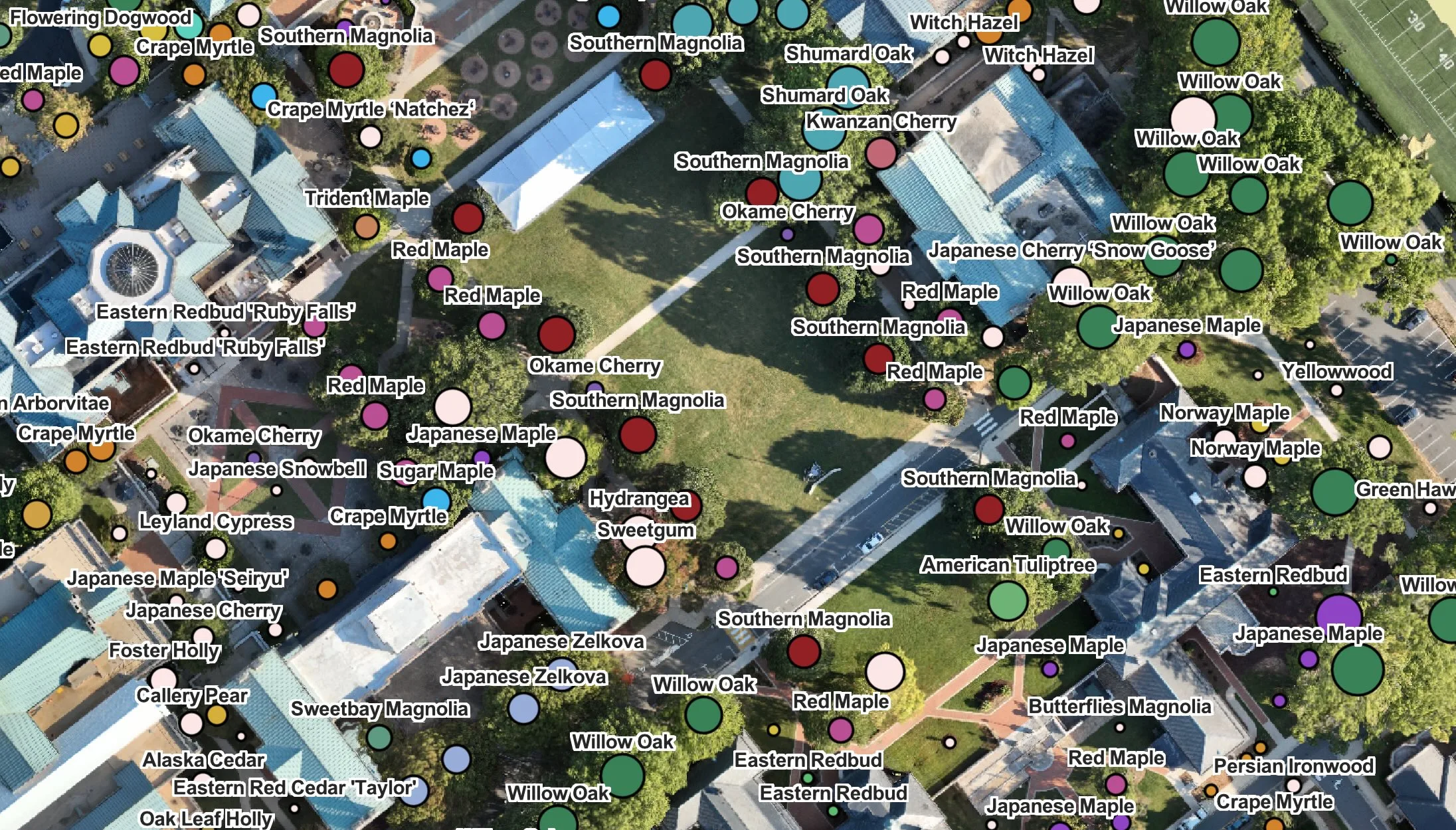
A: The only thing missing for the arboretum accreditation was identifying trees. I think most things were already in place. We have had a campus tree advisory committee for years, so the groups were already set up. Their requirement for a Level II accreditation is having at least 100 identified unique tree species. Once the map was completed, that was all we needed to reach the accreditation standards.
Q: What role did you play in the mapping process?
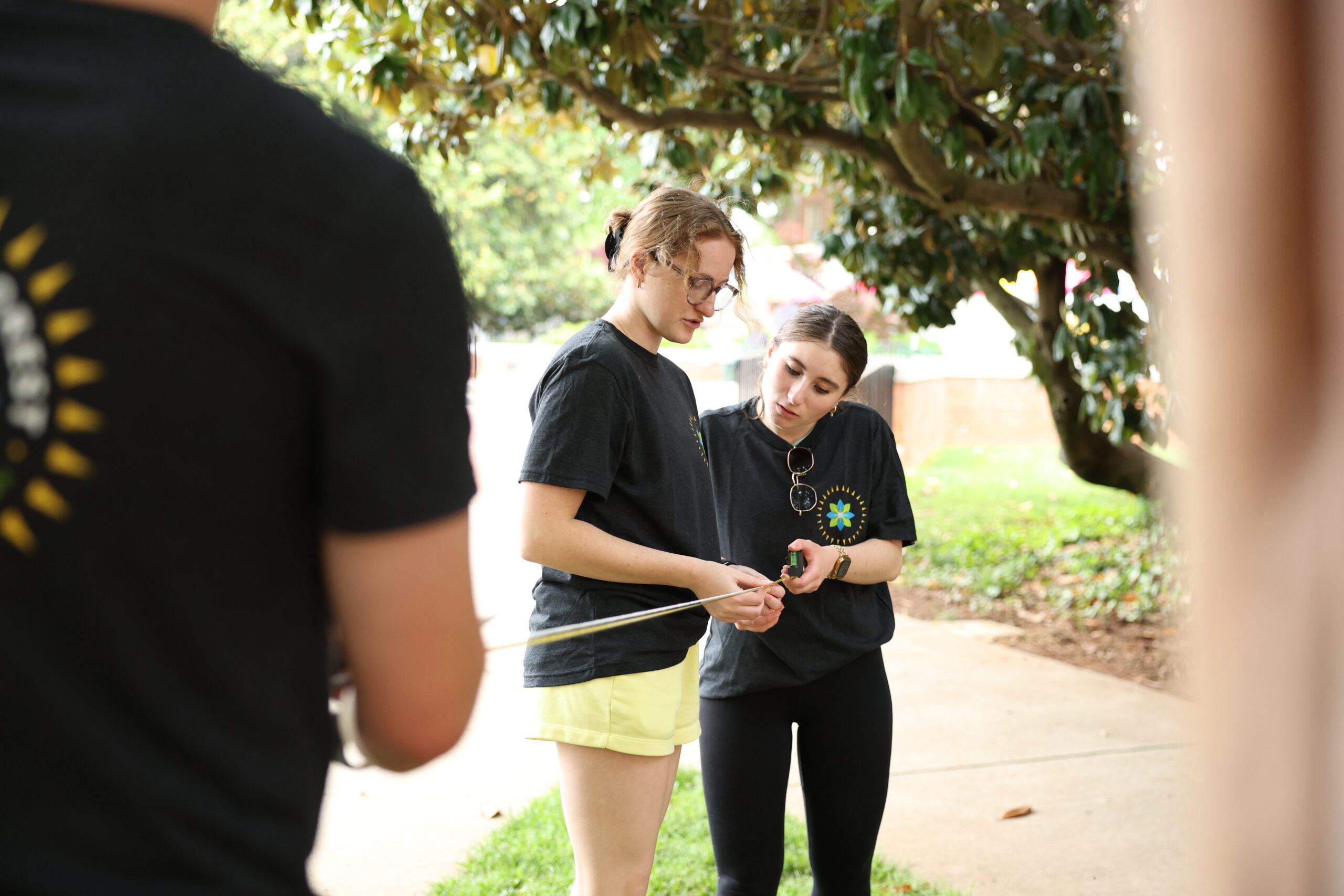
A: My contribution to the tree map was verifying and correcting the students’ tree identifications. I also identified some trees that Erin Hamilton and Dr. Csillik mapped.
Q: What does the campus tree advisory committee do?
A: CTAC meets quarterly to discuss everything tree-related on campus. Main focuses include what tree species are being planted and where, how building projects will impact trees, how to minimize the impact on trees, and if there is tree loss due to construction, what trees will replace the trees removed. The committee has a student and faculty representative along with staff from Residence Life and Housing, the Office of Sustainability, and Facilities. The committee advocates for our trees.
Q: What do you think the tree map can provide Wake Forest in terms of tree management and planning for the future?
A: The tree map will be a useful tool for preserving trees during campus expansion and renovations. It will identify areas where we have a limited population of a particular native tree species, or maybe it’s the only one we have on campus.
Q: How do you decide which tree species are planted on campus?
A: Some of it is my personal preference: trees I like, and native trees the campus may be missing. I’ve spent a lot of time in nature, in the forest, seeing what trees are there, so I realize what campus is missing to diversify the native species we have on campus. The changing climate factors into my species choices now, especially when considering which trees can tolerate extreme heat.
Q: Have there been any changes in the trees that you plant, maybe some that historically lived here but are not being included anymore?
A: The sugar maples. When I came to Winston-Salem in 1992, I remember the vivid colors on Reynolda Road and on campus, and that seemed to disappear. The sugar maples are declining in health, and it’s directly related to increasing temperatures. When I arrived, we were a hardiness zone 7A, and sugar maples were borderline for 7A; now we’re 8A. So we’re losing sugar maples, and we don’t plant them. Some Sugar Maple cultivars are better adapted to hot and dry conditions, but I’ve moved away from planting sugar maples.
Q: Do you have any favorite trees on campus?
A: I do. It changes as I age. There’s some native trees that I like: sassafras and sourwood. The sourwood starts blooming in May, and the blooms last when other spring blooms have faded. The late flowering is good for ecological functions; it’s a pollinator-friendly tree, and the fall color is amazing. Same with sassafras; it has beautiful spring flowers, and the fall color is amazing, too. And that’s just an underutilized native tree species. There are so many great ones, and part of the challenge is they’re not available in the nursery industry. So going back to how I choose, some of it depends on what’s available. Native tree species are not widely available, so I may have to pick smaller ones, or travel further to get what I’m looking for.
Q: Are there any ways you have seen the trees integrated into the classroom?
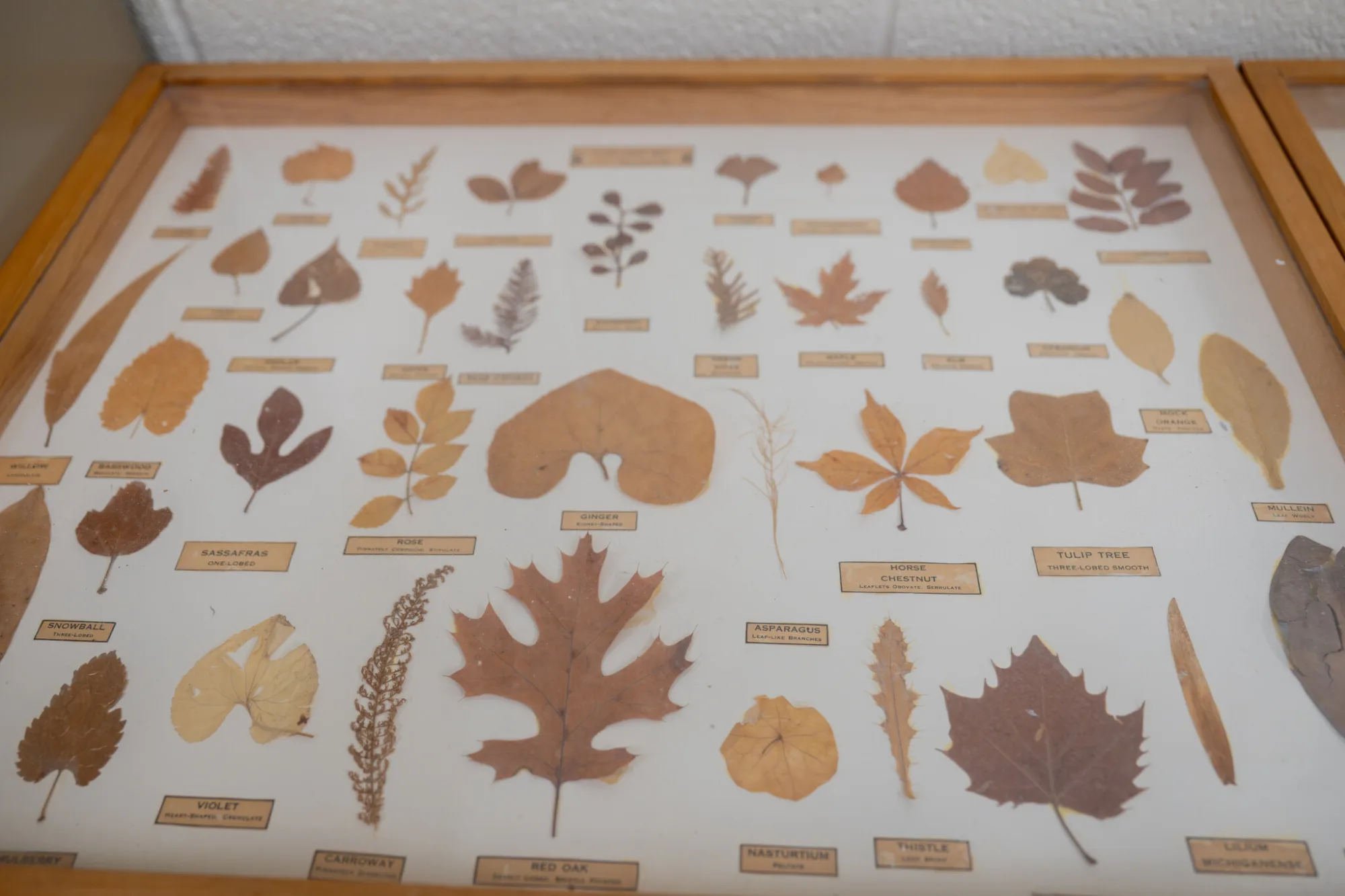
A: Absolutely, once or twice a year, I collaborate with classes through Campus Engaged Learning. It could be first-year seminars. I’ve met with dance ecology. I’ve met with an art class, and there’s others that I’m missing, but it’s typically integrated into classrooms every year.

Q: Beyond just interaction with the outdoors, are there other ways your work integrates into the university’s overall sustainability goals?
A: Well, trees are important. So, with stormwater, with cooling, cooling is going to become a bigger issue. The shade is so important to cooling paved surfaces, cooling buildings, and cooling people. Trees are essential heat wave infrastructure.
Q: What do you think all this tree diversity brings to those on campus?
A: Whether people notice it or not, it brings nature to an urban area. Whether that’s birds or bees or other wildlife, it contributes to biological diversity. Native tree diversity contributes to a healthier ecosystem.
Q: Do you have any say in planning what happens when they’re building The Grounds regarding the landscaping or anything else there?
A: I do. Campus space strategies keeps me informed about their (Carter and Front Street’s) plans and what they’re doing. Part of my role is saying, “Hey, how can we work around these trees? Can we use this species when they replant the landscape?” Also, utilizing native tree species in the landscape whenever possible.
Q: Over the next 10 to 20 years, how do you hope that the space changes or stays the same, or, what would you like to see in the future?
A: Always more trees. Going back to the importance of the changing climate, it’s going to become integral to have the cooling effect of trees. I mean, we can look outside and see people enjoying the cool shade. They’re always sitting under the big willow oak trees. It’s a peaceful, cooler place to study.
Q: Do you have anything else you want to share?
A: I do. I’ve gotten to interact with some amazing, passionate people like Dr. Csillik, who made the tree map, Dr. Silman and Erin Hamilton. The different people I get to interact with, and some of the decisions I make, will impact the university in 100 years. Trees are slow-growing – trees that we’re planting now will have a huge impact 100 years from now. I won’t be around to see it, but if the tree can survive, it will have an amazing effect on this environment.
Learn more about Wake Forest’s tree canopy by exploring our tree map online.